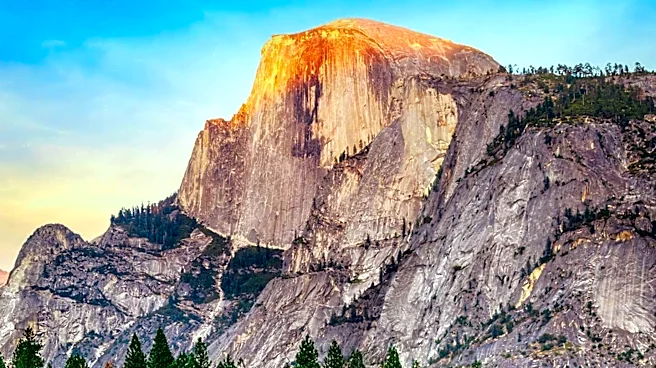









The Yosemite Grant Act of 1864 marked a significant milestone in the history of conservation in the United States. Signed into law by President Abraham Lincoln, this act granted Yosemite Valley and the Mariposa Grove to the state of California, setting a precedent for the establishment of national parks. This article explores the historical context and impact of the Yosemite Grant, highlighting its role in shaping the future of public land preservation.
The Birth of the Yosemite Grant
In the mid-19th century, the natural beauty of Yosemite Valley and the Mariposa Grove captured the attention of conservationists and politicians alike. The idea of preserving these areas for public enjoyment was revolutionary at the time. The Yosemite Grant Act was the first instance of the federal government setting aside land for preservation, a concept that would later evolve into the national park system. The act was a response to growing concerns about the impact of commercial interests on these pristine landscapes.
The Yosemite Grant was championed by individuals like Galen Clark, who played a crucial role in advocating for the protection of the area. Clark's efforts, along with those of other conservationists, helped to secure the passage of the legislation. The grant was intended to protect the land for "public use, resort, and recreation," ensuring that it would remain inalienable for all time.
The Role of Galen Clark
Galen Clark, a Canadian-born American conservationist, was instrumental in the creation of the Yosemite Grant. As the first guardian of the grant, appointed by the Yosemite Commission, Clark dedicated his life to the preservation of Yosemite Valley and the Mariposa Grove. His advocacy and commitment to conservation were pivotal in the passage of the legislation.
Clark's work extended beyond the grant itself. He was a passionate advocate for the protection of the giant sequoias in the Mariposa Grove, writing to friends and Congress to garner support for their preservation. His efforts laid the groundwork for future conservation initiatives and highlighted the importance of protecting natural landscapes.
Legacy and Impact
The Yosemite Grant set a precedent for the establishment of national parks in the United States. It demonstrated the government's commitment to preserving natural beauty for public enjoyment and inspired the creation of subsequent parks, including Yellowstone National Park. The grant's legacy is evident in the continued efforts to protect and preserve America's natural landscapes.
Today, Yosemite National Park stands as a testament to the vision of early conservationists like Galen Clark. The park's designation as a UNESCO World Heritage Site underscores its global significance and the enduring impact of the Yosemite Grant. As we reflect on this pioneering step in conservation, we are reminded of the importance of preserving our natural heritage for future generations.