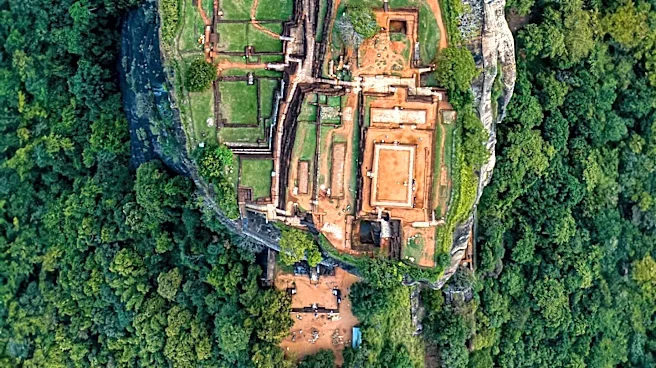





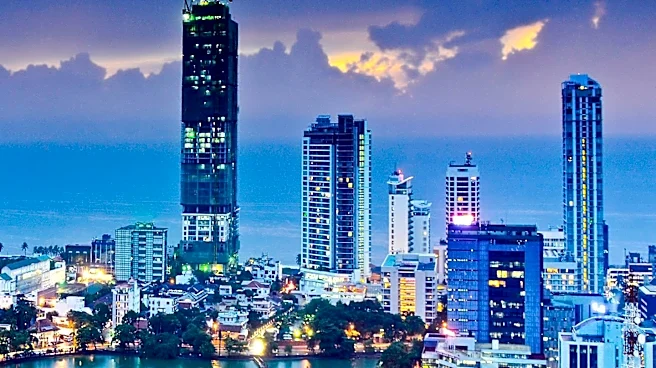
Sri Lanka, known as Ceylon until 1972, has undergone significant transformations throughout its history. From its time under British colonial rule to its emergence as a modern nation, Sri Lanka's journey is marked by pivotal events and changes. This article explores the historical evolution of Sri Lanka, highlighting key milestones that have shaped its path to nationhood.
Colonial Rule and the Name Ceylon
The island of Sri Lanka was known as Ceylon during British colonial rule, a period
that began in the early 19th century. The British established control over the island, integrating it into their global empire. During this time, Ceylon became an important center for the production of tea, rubber, and coconut, commodities that were highly valued in international markets.
The colonial period also saw significant infrastructure development, including the establishment of railways and ports. These developments facilitated trade and contributed to the economic growth of the island. However, colonial rule also brought challenges, including social and political tensions that would later influence Sri Lanka's path to independence.
The Road to Independence
Sri Lanka's journey to independence was marked by a growing sense of national identity and a desire for self-governance. The island gained independence from British rule in 1948, becoming a member of the Commonwealth of Nations. Despite achieving independence, the name Ceylon remained in use until 1972, when the country officially adopted the name Sri Lanka.
The post-independence period was characterized by efforts to build a cohesive national identity, amidst the diverse ethnic and cultural landscape of the island. The transition from colonial rule to self-governance was not without challenges, as the country navigated issues related to ethnic tensions and political stability.
Modern Nationhood and Challenges
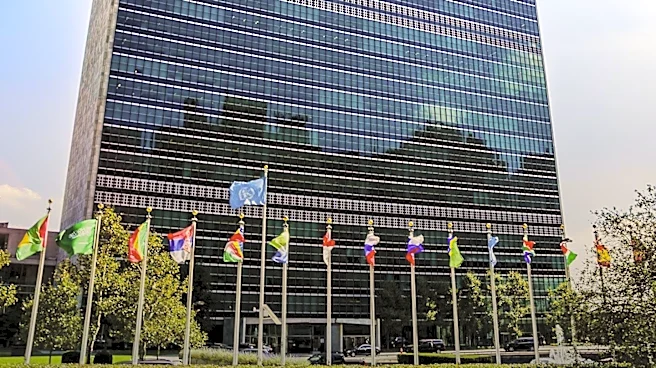
Since gaining independence, Sri Lanka has continued to evolve as a modern nation. The country has been a founding member of the South Asian Association for Regional Cooperation (SAARC) and is actively involved in international organizations such as the United Nations. These engagements reflect Sri Lanka's commitment to playing a role on the global stage.
However, Sri Lanka's journey has not been without difficulties. The country experienced a prolonged civil war, which ended in 2009 with the defeat of the Liberation Tigers of Tamil Eelam (LTTE). This conflict had a profound impact on the nation, shaping its political and social landscape.
Today, Sri Lanka is focused on rebuilding and fostering unity among its diverse population. The country's rich cultural heritage and strategic location continue to be assets as it navigates the complexities of modern nationhood. As Sri Lanka looks to the future, it remains committed to building a peaceful and prosperous society for all its citizens.