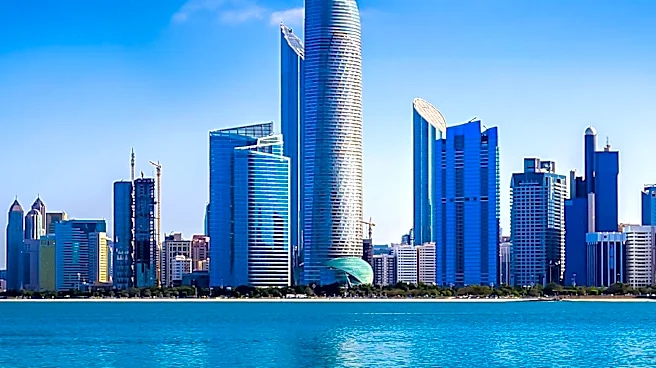











Abuja, the capital of Nigeria, is not only a political center but also a city marked by significant landmarks and rapid growth. Since its establishment as the capital in 1991, Abuja has become a symbol of modernity and development in Nigeria. This article explores the key landmarks that define Abuja and the factors contributing to its rapid growth.
Iconic Landmarks
Abuja is home to several iconic landmarks that reflect its status as the capital. Aso Rock, a 400-meter
monolith formed by water erosion, is a defining feature of the city's geography. The Presidential Complex, National Assembly, and Supreme Court are located south of Aso Rock, making it a central point for Nigeria's political activities.
Another notable landmark is Zuma Rock, a 792-meter monolith situated north of the city along the expressway to Kaduna. These natural formations not only add to the city's aesthetic appeal but also serve as symbols of Nigeria's natural heritage. Additionally, the city hosts the Nigerian National Mosque and the Nigerian National Christian Centre, representing the country's religious diversity.
Rapid Urban Growth
Abuja's growth has been nothing short of remarkable. At the 2006 census, the city had a population of 776,298, making it one of Nigeria's most populous cities. According to the United Nations, Abuja experienced a growth rate of 139.7% between 2000 and 2010, earning it the title of the fastest-growing city in the world during that period.
This rapid growth has continued, with the city experiencing an annual growth rate of at least 35% as of 2015. The expansion is driven by its status as the political and administrative center of Nigeria, attracting people from all over the country seeking opportunities and better living conditions.
Challenges and Opportunities
While Abuja's growth presents numerous opportunities, it also poses challenges. The city's infrastructure must keep pace with the increasing population to ensure sustainable development. The government has been working to address these challenges by implementing policies that promote urban planning and development.
Despite these challenges, Abuja remains a city of opportunities. Its strategic location and status as the capital make it a hub for political, economic, and cultural activities. As Abuja continues to grow, it stands as a testament to Nigeria's potential and ambition on the global stage.