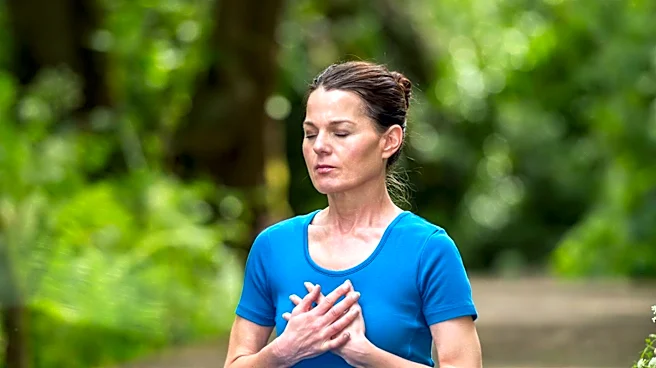




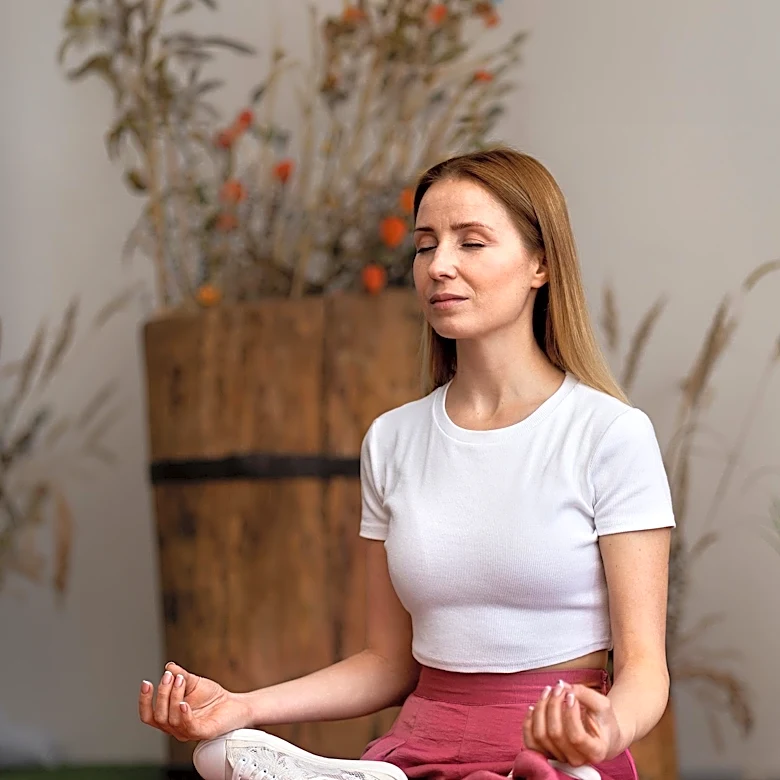



Mindfulness-Based Pain Management (MBPM) is a specialized approach designed to help individuals cope with chronic pain and illness through mindfulness practices. Developed by Vidyamala Burch, MBPM adapts core concepts from Mindfulness-Based Stress Reduction (MBSR) and Mindfulness-Based Cognitive Therapy (MBCT), with a unique emphasis on loving-kindness. This article delves into the structure and practices of MBPM, highlighting its distinctive features
and effectiveness.
The Breathworks Six Stage Process
MBPM is primarily delivered through the Breathworks Mindfulness for Health course, which is structured around a six-stage process. Each stage corresponds to specific practices taught throughout the course. The process begins with establishing basic awareness through body scans, breathing anchors, and mindful movement. These practices are introduced in the first three weeks, laying the foundation for participants to develop focused awareness of their physical, mental, and emotional experiences.
As the course progresses, participants are guided through stages of acceptance, wonder, equanimity, connection, and choice. Each stage builds upon the previous, encouraging compassionate acceptance of unpleasant experiences, seeking out pleasant ones, gaining broader perspectives, connecting with others, and responding mindfully in daily life. This structured approach helps individuals cultivate a non-reactive awareness and bring an attitude of compassion and kindliness to themselves and others.
Core Practices and Adaptations
MBPM incorporates several core practices from MBSR, such as body scans, breath awareness meditation, and yoga. However, MBPM meditations are typically shorter, and the movement practices focus on cultivating body awareness through simple, non-challenging movements. This adaptation makes MBPM accessible to those living with chronic pain or illness.
In addition to meditation, participants engage in mindful movement, diary-based activity management, and habit-releasing practices. These activities are designed to support the development of mindfulness in daily life, helping individuals manage their pain and improve their overall well-being. The course requires participants to practice meditation for 20 minutes daily at home, alongside other short practices, reinforcing the skills learned in weekly classes.
Emphasis on Loving-Kindness
A notable distinction of MBPM is its emphasis on loving-kindness, which is integrated into all forms of meditative awareness. This focus on kindliness and compassion is manifested in the teaching of loving-kindness practices that utilize imagination and progress through a six-stage process. This approach is sensitive to concerns about removing mindfulness teaching from its original ethical framework within Buddhism, while providing a secular, evidence-based method suitable for people of all faiths.
The emphasis on loving-kindness is connected to the broader goal of helping individuals manage their pain and improve their quality of life. By fostering compassion and kindliness, MBPM encourages participants to approach their experiences with openness and acceptance, ultimately enhancing their ability to cope with chronic pain and illness.