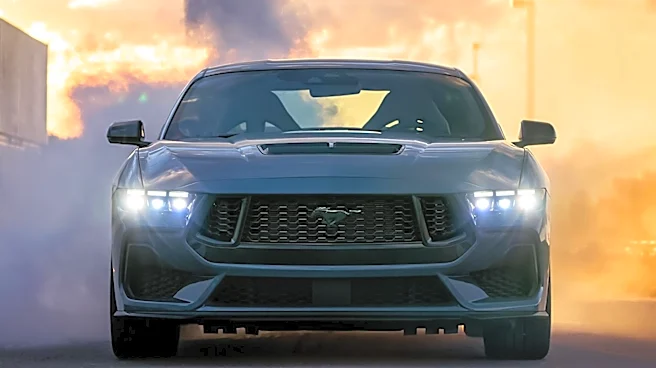

Burnouts, also known as peel outs, power brakes, or brakestands, have become a staple in automotive culture, known for their dramatic display of smoke and sound. This practice involves keeping a vehicle
stationary while spinning its wheels, causing the tires to heat up and produce smoke. Originating in the mid-1960s, burnouts have evolved from a practical racing technique to a popular form of entertainment and competition. This article delves into the history and cultural impact of burnouts, highlighting their journey from drag strips to mainstream automotive events.
Origins and Practical Use
The concept of burnouts can be traced back to the world of drag racing. In the mid-1960s, Buddy Houston, his brother Melson, and David Tatum II pioneered the practice at Ted Edwards Drag Strip in Fairburn, Georgia. The primary purpose of burnouts in drag racing was to heat the tires, improving their grip on the track. This was achieved by spinning the wheels while the vehicle remained stationary, often with the help of water or bleach to reduce friction and initiate the burnout. The technique quickly gained popularity, spreading across the United States and becoming a standard practice in drag racing.
Drag race tracks often feature a designated area known as the "water box," where water is poured to facilitate burnouts. Initially, bleach was used instead of water, but due to safety concerns, water became the preferred choice. The practice of burnouts not only improved tire traction but also cleaned the tires of debris, laying down a layer of rubber on the starting line for better performance. Over time, burnouts became an integral part of drag racing, with drivers like Don Garlits popularizing the technique by performing burnouts across the starting line.
Burnouts as Entertainment
Beyond their practical use in racing, burnouts have evolved into a form of entertainment and competition. Burnout contests, where participants are judged on style, attitude, and crowd response, have become popular events, particularly in Australia and North America. These contests often involve considerable prize money or goods, and some cars are even sponsored or purpose-built specifically for burnouts.
The appeal of burnouts extends beyond organized events, as they are commonly performed in informal street racing for show. However, performing burnouts on public property is illegal in most countries, with varying degrees of punishment. Despite the legal risks, the thrill and spectacle of burnouts continue to captivate automotive enthusiasts worldwide.
Cultural Impact and Modern Celebrations
Burnouts have also found their place in popular culture, frequently featured in racing video games and automotive celebrations. In NASCAR, winning drivers often perform burnouts at the end of races to celebrate their victory, adding to the excitement and entertainment value of the sport.
The cultural significance of burnouts is evident in their widespread popularity and enduring appeal. From their humble beginnings as a practical racing technique to their status as a celebrated automotive spectacle, burnouts have become an iconic symbol of speed, power, and rebellion in automotive culture. As they continue to evolve, burnouts remain a testament to the creativity and passion of car enthusiasts around the world.