




The shot clock, a seemingly simple addition to basketball rules, has had an enduring and transformative impact on the sport. Introduced primarily to address issues of stalling and low-scoring games, its influence extends far beyond mere timekeeping. It has fundamentally reshaped game strategy, elevated player performance, and, crucially, revitalized fan interest, cementing its place as one of the most significant innovations in basketball history.
Its widespread adoption across various levels of play speaks volumes about its success in creating a more engaging and dynamic sport.
From Stalling to Spectacle: The NBA's Turnaround
Before the shot clock's inception in 1954, the NBA faced significant challenges in attracting fans and positive media coverage. Games were often marred by "stall ball" tactics, where leading teams would hold onto the ball for extended periods, passing it incessantly to run down the clock. This led to low-scoring, defensive stalemates that bored spectators. A prime example was the 1950 game where the Fort Wayne Pistons defeated the Minneapolis Lakers 19–18, with the Pistons attempting only 13 shots to neutralize the Lakers' star player, George Mikan. Such games were a "great black eye" for professional basketball, as noted by the St. Paul Dispatch.
The introduction of the 24-second shot clock by the NBA in the 1954–55 season was a direct response to these issues. The rule mandated that a team must attempt a shot within 24 seconds of gaining possession. This innovation immediately increased scoring and reduced stalling, making games faster-paced and more exciting. The shot clock is widely credited with increasing fan interest in the then-fledgling league, helping it to grow into the global phenomenon it is today. All of the highest-scoring games in NBA history have occurred during the shot-clock era, a testament to its effectiveness in promoting offensive play.
Global and Collegiate Adoption: A Universal Standard
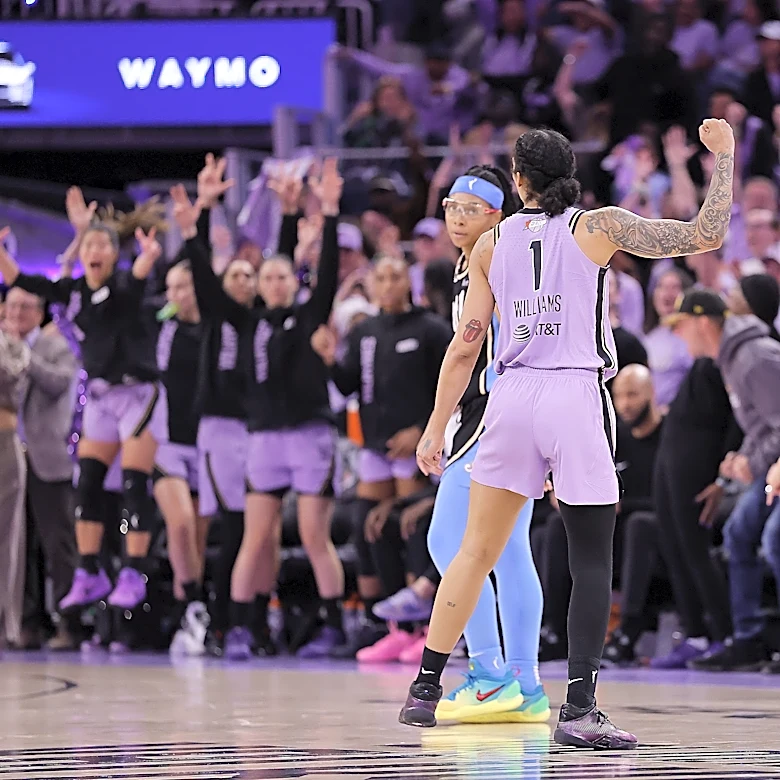
The success of the shot clock in the NBA quickly led to its adoption by other major basketball organizations worldwide. FIBA, the international governing body, introduced a 30-second shot clock in 1956, eventually aligning with the NBA's 24-second standard in 2000. The Women's National Basketball Association (WNBA) also transitioned from a 30-second to a 24-second clock in 2006, reflecting a global consensus on the optimal timing for dynamic play.
Collegiate basketball in the United States also embraced the shot clock, though with a slightly longer 30-second duration. The NCAA initially introduced a 45-second shot clock for men's basketball in the 1985–86 season, later reducing it to 35 seconds in 1993–94, and finally to 30 seconds in 2015–16. Women's collegiate basketball adopted a 30-second shot clock even earlier, in the 1970–71 season. This widespread adoption across professional, international, and collegiate levels highlights the shot clock's universal appeal and its fundamental role in shaping the modern game. It ensures that teams are constantly pressured to create scoring opportunities, preventing passive play and maintaining a high level of engagement for both players and fans.
The Mechanics of Modern Play
The shot clock's operation is integral to the flow of a basketball game. It starts when a team gains possession and stops whenever the game clock stops. A shot clock violation occurs if a team fails to attempt a field goal before the clock expires, resulting in a turnover. However, a crucial distinction is made for shots in flight: if the ball leaves a player's hand before the clock hits zero and subsequently goes into the basket or touches the rim, it is not a violation. The clock resets to its full length at the start of each period and upon a change of possession. Specific rules also dictate resets to 14 seconds in certain situations, such as after an offensive rebound or particular fouls, ensuring that offensive opportunities remain dynamic even after stoppages. These detailed operational rules underscore the shot clock's sophisticated integration into the game, continuously driving action and maintaining the fast-paced nature that defines modern basketball.