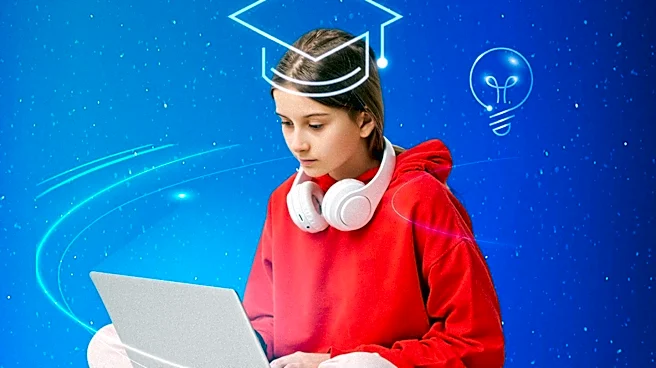







Distance education has significantly influenced global learning, reshaping educational access and delivery across cultures and societies. This article examines the cultural, social, and educational impact of distance education, highlighting its role in expanding opportunities and fostering inclusivity.
Cultural and Social Influence
Distance education has played a pivotal role in bridging cultural and social gaps, providing educational access to diverse populations worldwide. By
eliminating geographical barriers, it has enabled students from remote regions to pursue higher education without relocating, reducing the phenomenon of rural exodus.
The flexibility of distance learning allows individuals to tailor their educational experiences to their cultural contexts, fostering a sense of empowerment and autonomy. This adaptability has encouraged lifelong learning, enabling people to continue their education beyond traditional schooling age, contributing to personal and professional growth.
Educational Accessibility and Inclusivity
One of the most significant impacts of distance education is its ability to democratize learning, making it accessible to individuals regardless of socioeconomic status, gender, or age. By offering flexible scheduling and diverse learning modalities, distance education accommodates various learning styles and needs, promoting inclusivity.
The use of multimodal content, such as videos and interactive media, enhances learner engagement and caters to different preferences. This approach not only improves educational outcomes but also supports students with disabilities or illnesses, allowing them to participate in learning environments safely and effectively.
Challenges and Opportunities
Despite its benefits, distance education faces challenges, including technological barriers and the need for self-regulation skills. Students may struggle with digital literacy and time management, leading to higher dropout rates. Institutions must provide support and training to help learners navigate these obstacles and succeed in their studies.
The COVID-19 pandemic highlighted the importance of distance education, as schools worldwide shifted to online learning. This transition exposed gaps in digital access and preparedness, prompting educational institutions to adapt and innovate. Post-pandemic, many schools have embraced blended learning models, combining online and in-person instruction to enhance educational delivery.
Distance education continues to evolve, offering new opportunities for global learning. Its impact on cultural, social, and educational landscapes underscores the importance of accessible and inclusive education, paving the way for a more equitable future.