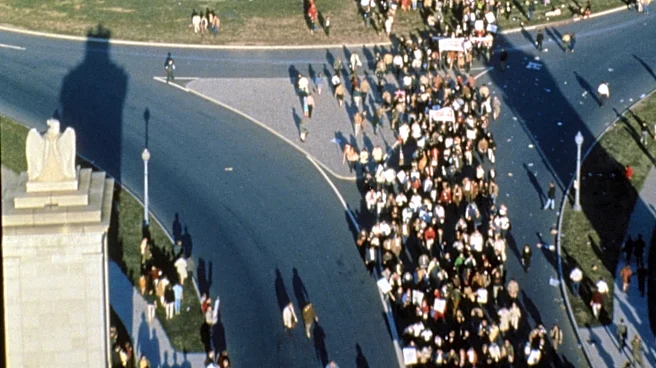



The Moratorium to End the War in Vietnam represented a significant moment in American history, marking a widespread demonstration and teach-in across the United States against the nation's involvement in the Vietnam War. This massive effort took place on October 15, 1969, and was followed a month later by a large Moratorium March in Washington, D.C., on November 15, 1969. Organized by various anti-war groups, including the National Mobilization Committee
to End the War in Vietnam, the Vietnam Moratorium Committee, and the Student Mobilization Committee, the Moratorium aimed to achieve peaceful mass action to bring an end to American participation in the conflict.
The Genesis of a Mass Movement
When Richard Nixon assumed the presidency on January 20, 1969, approximately 34,000 American lives had already been lost in Vietnam. During his first year in office, an additional 10,000 Americans were killed. Despite Nixon's discussions of "Peace with Honor" and Vietnamization, many perceived his policies as largely a continuation of those under Lyndon Johnson. This context fueled the growing anti-war sentiment that the Moratorium sought to channel into a unified, peaceful protest.Fred Halstead, a contemporary observer, noted that the Moratorium was the first instance where the anti-war movement achieved the scale of a "full-fledged mass movement." This indicated a shift from earlier, perhaps more localized or niche, protests to a broader national awakening against the war. The organizers understood the importance of presenting a "respectable" image to gain wider public support, aiming to distance the movement from the counterculture and radical New Left elements that some Americans viewed unfavorably.
Seeking Broad Support and Respectability
The Vietnam Moratorium Committee actively sought endorsements from a diverse range of "respectable" groups. This included the civil rights movement, various churches, university faculties, labor unions, business leaders, and politicians. This strategic outreach was crucial in broadening the appeal and legitimacy of the Moratorium, ensuring that its message resonated with a wider segment of the American population beyond traditional activist circles.Before the October 15 Moratorium, North Vietnamese Premier Phạm Văn Đồng publicly praised the marchers, acknowledging their efforts to save young American men from what he called a "useless death in Vietnam." This international recognition, while potentially controversial, highlighted the global attention the anti-war movement was garnering and underscored the perceived moral stance of the protesters.
The Nationwide Impact and Presidential Response
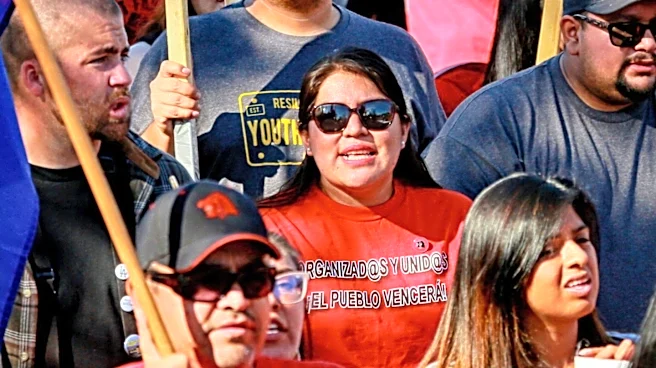
On October 15, 1969, over 15 million people across the United States participated in marches against the war. The success of these demonstrations was largely attributed to their peaceful nature, which helped to avoid the violence often associated with some elements of the New Left and the "sex, drugs and rock 'n' roll" image of the hippie counterculture. This peaceful approach allowed the Moratorium to gain "new respectability and popularity" for the anti-war movement, as noted by an article in Time magazine.President Nixon, however, publicly dismissed the Moratorium, with his press secretary declaring it "business as usual" on October 15. Nixon stated that "policy made in the streets equals anarchy" and asserted that he would "under no circumstances... be affected." Privately, Nixon was reportedly enraged, feeling that the protests had undermined his "peace with honor" strategy. He ordered his aides to draft a speech to counter the Moratorium, which eventually led to his "silent majority speech" on November 3, 1969, where he appealed for support from Americans who did not publicly voice their opinions on the war.