



Business casual is a Western dress code that has become a common form of smart casual wear in white-collar workplaces, often replacing more traditional business attire. However, despite its widespread adoption, the term "business casual" remains ambiguously defined, leading to significant variation in what is considered appropriate. This lack of a universally agreed-upon definition means that individuals and organizations often interpret the dress code differently,
making it a complex area of workplace fashion.
For men, business casual typically involves components of a business suit, such as a dress shirt and trousers, but without a matching suit jacket. Neckties are usually optional. A coordinating, rather than matching, sport coat or blazer might be worn, or it could be omitted entirely. A sweater or vest can also be worn as an alternative. This flexibility allows for a range of looks that are less formal than a full suit but still maintain a professional appearance.
Defining the Undefined: Multiple Perspectives on Business Casual
The absence of a single, clear definition for business casual has led to various interpretations. One common definition suggests that it includes items like khaki pants, slacks, and skirts, along with short-sleeved polo shirts and long-sleeved shirts. This definition, however, explicitly excludes tight or short skirts, T-shirts, and sweatshirts, indicating a boundary between casual and overly casual attire. The emphasis is on maintaining a polished yet comfortable look suitable for a professional environment.
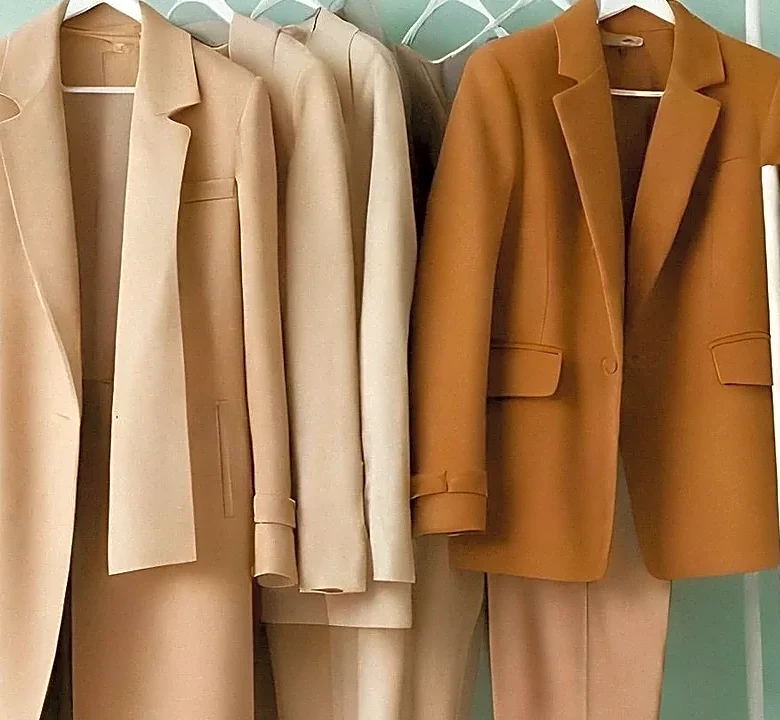
Another perspective on business casual focuses on color palettes and presentation. This definition states that business casual often consists of neutral colors, leaning towards darker shades such such as black, gray, and navy. White and off-white can also be included. Crucially, this interpretation stresses that clothing should be pressed and feature clean, crisp seams, highlighting the importance of neatness and attention to detail even in a more relaxed dress code. This suggests that while the attire may be less formal, the overall presentation should still convey professionalism.
The Influence of "Casual Fridays" and Global Variations
The acceptance of business casual in the United States was significantly influenced by the trend of "Casual Fridays," which emerged in California in the 1990s. This concept was, in turn, inspired by Hawaii's 1960s custom of "Aloha Friday," where more casual attire was permitted. Casual Fridays allowed businesses to relax their dress codes on the last day of the workweek, paving the way for a broader acceptance of business casual throughout the week in many white-collar settings. This historical progression shows a gradual shift towards more relaxed workplace attire.
The University of Toronto's "Dress for Success" advice offers another definition, describing business casual as "a classic, clean cut, and put together look where a full suit is not required." This guidance specifies slacks, khakis, or skirts; blouses, polo shirts, or collared shirts without a necktie; some sweaters; and closed-toe shoes. The university also provides a warning, stating that business casual is "not clothing you would wear to a club or for athletic purposes," and emphasizes that despite the word "casual," professionalism must still be maintained. This highlights the fine line between casual comfort and professional decorum.
International Interpretations and Menswear Advice
While business casual is a Western dress code, its interpretation can vary significantly across different countries and even regions within countries. A BBC article from 2011 suggested a "safe global standard" for business casual, which includes a button-down shirt, jackets or blazers, khaki or gray slacks, and leather shoes. However, the article also cautioned about the considerable variation that exists, underscoring the challenge of a universal definition. This global perspective further illustrates the ambiguous nature of the dress code.
For men, a U.S. menswear retailer advises wearing a collared shirt, chinos, a navy blazer, and brown shoes, while also emphasizing the importance of looking "clean and well-groomed." This advice reinforces the idea that even with more casual clothing, a professional appearance is paramount. The specific designation of certain clothing pieces as "business casual" can sometimes be contentious, reflecting the ongoing debate and lack of a definitive standard for this widely adopted, yet often misunderstood, dress code.