








Fireproof suits are essential protective garments designed to withstand high temperatures and flames, primarily used by firefighters and professionals in hazardous environments. These suits are made from fire-resistant materials and include features to protect against heat and flames. Over the years, the design and materials of fireproof suits have evolved significantly to enhance safety and functionality in high-risk professions.
Historical Development of Fireproof Suits
The concept of fireproof
suits dates back to the early 20th century when the need for protective clothing in high-temperature environments became apparent. Initially, these suits were rudimentary, offering limited protection against flames and heat. As technology advanced, so did the materials used in these suits. Early versions were often bulky and uncomfortable, limiting the wearer's mobility and effectiveness in emergency situations.
In the mid-20th century, significant advancements were made in the development of fireproof materials. The introduction of Nomex, a flame-resistant material, revolutionized the design of fireproof suits. Nomex provided a lightweight yet highly effective barrier against heat and flames, allowing for greater mobility and comfort. This innovation marked a turning point in the evolution of fireproof suits, making them more practical and widely adopted in various high-risk professions.
The Role of Fireproof Suits in Firefighting
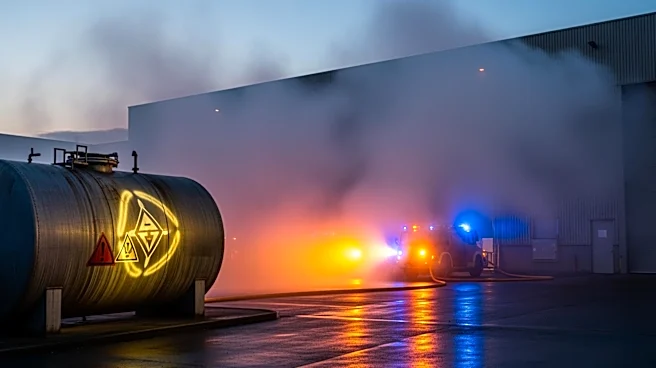
Firefighters are among the primary users of fireproof suits, relying on them for protection in extremely hazardous conditions. These suits are designed to withstand intense heat and direct exposure to flames, allowing firefighters to perform their duties safely and effectively. The suits typically include multiple layers of fire-resistant materials, providing a barrier against heat while allowing for breathability and moisture management.
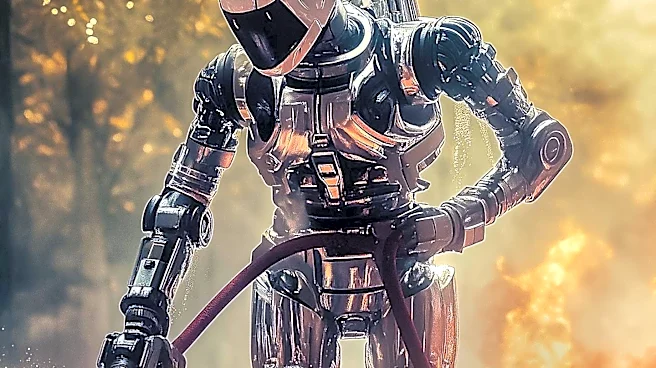
In addition to protecting against heat and flames, modern fireproof suits for firefighters are equipped with features such as reflective strips for visibility, reinforced knee and elbow pads for durability, and integrated communication systems for coordination during emergencies. These enhancements have significantly improved the safety and efficiency of firefighting operations, reducing the risk of injury and increasing the chances of successful rescues.
Fireproof Suits in Other High-Risk Professions
Beyond firefighting, fireproof suits are used in various other high-risk professions, including industrial work, military operations, and motorsports. In industrial settings, workers handling flammable materials or operating in high-temperature environments rely on fireproof suits to prevent burns and injuries. These suits are designed to provide maximum protection while allowing for ease of movement and comfort during long shifts.
In the military, fireproof suits are used in combat situations where exposure to explosions and fires is a risk. These suits are designed to protect soldiers from burns and heat-related injuries, enhancing their safety and effectiveness in the field. Similarly, in motorsports, drivers wear fireproof suits to protect against fires resulting from crashes or fuel leaks. These suits are lightweight and aerodynamic, allowing for high performance while ensuring safety.
Overall, the evolution of fireproof suits has been driven by the need for enhanced safety and functionality in high-risk professions. As technology continues to advance, these suits will likely become even more effective, providing greater protection and comfort for those who rely on them in dangerous environments.