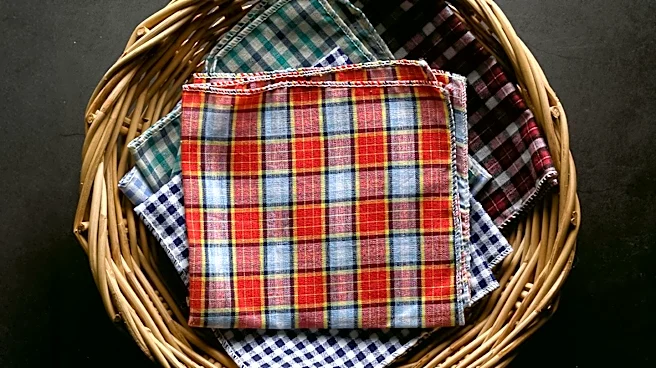





Tartan, a patterned cloth consisting of crossing horizontal and vertical bands in multiple colors, is not only a symbol of Scottish heritage but also a fascinating example of textile design. Known as plaid in American English, tartan patterns vary in complexity, from simple two-color designs to intricate motifs with over twenty hues. This article explores the art and science behind tartan design, highlighting the mathematical principles and creative
processes involved.
The Structure of Tartan
The pattern of a particular tartan is called its sett, which is made up of a series of lines at specific widths that cross at right angles and blend into each other. The sett can refer to either the minimal visual presentation of the complete tartan pattern or a textual representation of it, known as a thread count. The sequence of thread colors in the sett starts at an edge and either reverses or repeats at pivot points.
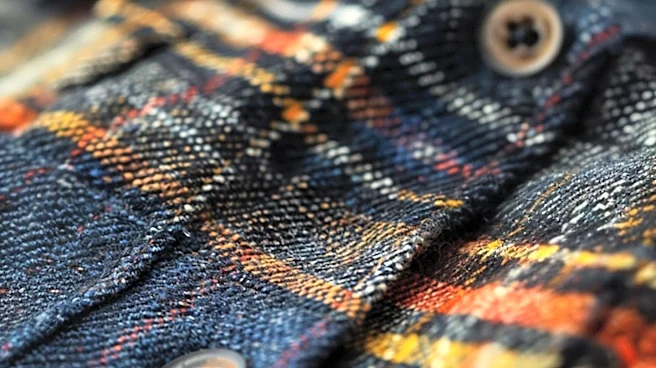
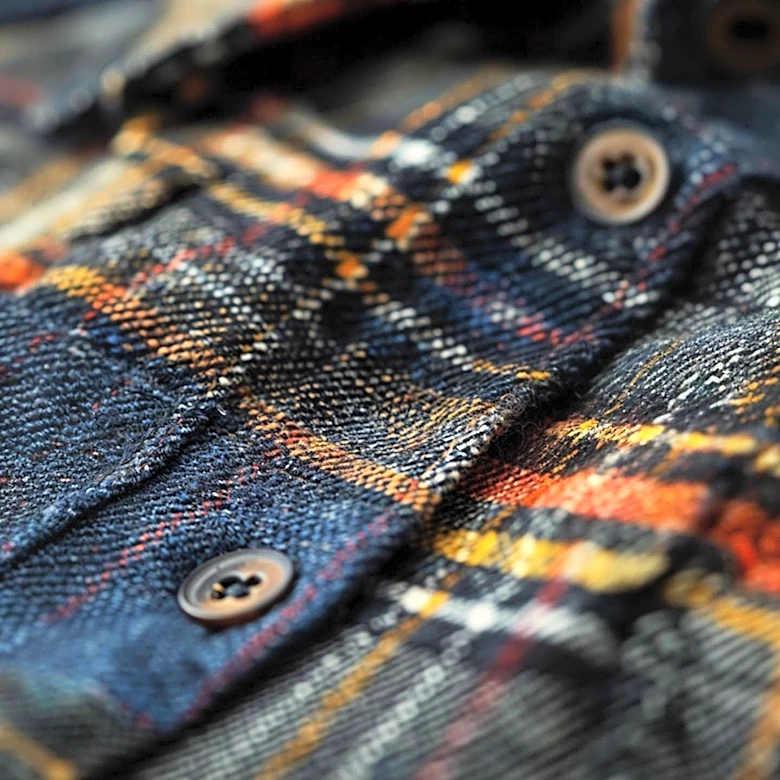
Traditional tartan cloth is a tight, staggered 2/2 twill weave of worsted wool, where the horizontal weft is woven in a simple arrangement of two-over-two-under the fixed vertical warp. This results in a characteristic 45-degree diagonal pattern of ribs where different colors cross, creating a halftone blend or mixture when viewed from a distance.
Mathematical Principles
The design of tartan involves mathematical principles that dictate the proportions and arrangement of stripes. The sequence of colors and the width of stripes are carefully calculated to create a harmonious blend of color and pattern. The more stripes and colors used, the more blurred and subdued the tartan's pattern becomes.
There are no codified rules for tartan design, but some writers have offered considered opinions. For example, tartans should be composed of clear, bright colors that blend well to create new shades. The desired result is a harmonious blend of color and pattern worthy of being considered an art form in its own right.
Creative Process
The creative process of designing tartan involves both artistic intuition and technical precision. Designers must consider the interplay of colors, the balance of stripes, and the overall aesthetic appeal of the pattern. The Scottish Register of Tartans allows designers to register their creations, preserving the intellectual property and cultural significance of each design.
Tartan design is a complex abstract art form with a strong mathematical undertone, far removed from a simple check pattern. Its ability to convey meaning and evoke emotion makes tartan a unique and enduring element of textile design.