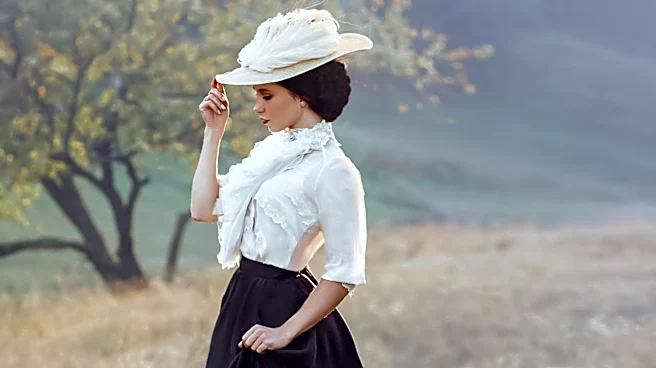





Victorian fashion, spanning from the 1830s to the 1890s, was a period of significant transformation in women's clothing. This era saw the evolution of styles, materials, and the influence of societal changes on fashion. Women's fashion during this time was not just about aesthetics; it was a reflection of social class, technological advancements, and shifting gender roles. From the structured silhouettes of the early Victorian period to the more relaxed
styles towards the end, the fashion of this era tells a story of change and adaptation.
Early Victorian Silhouettes
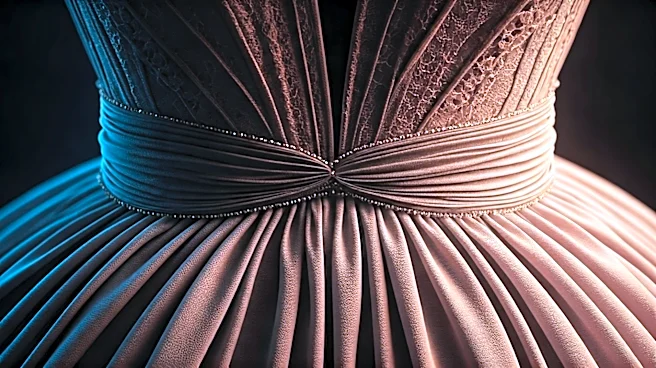
In the early Victorian era, women's fashion was characterized by the hourglass silhouette. This look was achieved through the use of corsets, which cinched the waist and emphasized the bust and hips. Dresses featured wide skirts supported by layers of petticoats, creating a full, bell-shaped appearance. The use of horsehair crinolines in the 1840s further accentuated this silhouette, making skirts even fuller and more dramatic.
The bodices of dresses were typically fitted and extended over the hips, often ending in a point at the front. Sleeves were initially wide and puffed, known as gigot sleeves, but gradually became tighter as the decade progressed. Necklines varied, with day dresses featuring high necks and evening gowns showcasing lower, more revealing cuts.
Mid-Victorian Innovations
The mid-Victorian period saw significant innovations in fashion, largely due to technological advancements. The introduction of the sewing machine in the 1850s revolutionized clothing production, making it faster and more affordable. This period also saw the advent of synthetic dyes, which allowed for brighter and more varied colors in garments.
The silhouette continued to evolve, with the introduction of the cage crinoline in 1856. This lightweight structure replaced the heavy layers of petticoats, allowing for even wider skirts without the weight. The crinoline's popularity was such that it became a symbol of the era, despite being the subject of ridicule in contemporary media.
Late Victorian Relaxation
By the late Victorian era, fashion began to shift towards more relaxed styles. The bustle, which had been popular in the 1870s, gave way to slimmer silhouettes. The polonaise style, featuring an overskirt draped over a fitted bodice, became fashionable, creating an elongated look.
The 1880s saw the return of the bustle in a more exaggerated form, but by the 1890s, fashion had moved towards simpler, more practical designs. The influence of the dress reform movement, which advocated for more comfortable and less restrictive clothing, began to be felt. This period marked the beginning of a transition towards the more modern styles of the 20th century, with a focus on functionality and ease of movement.