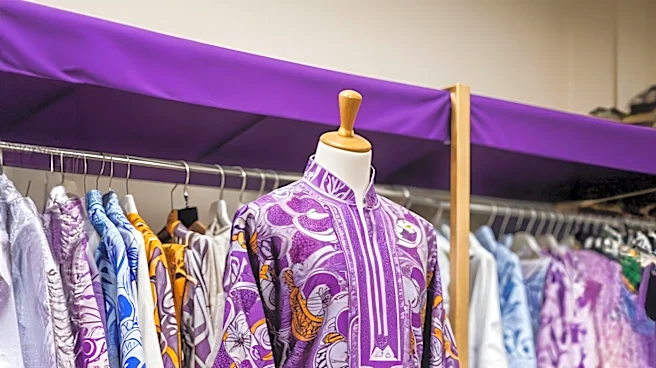



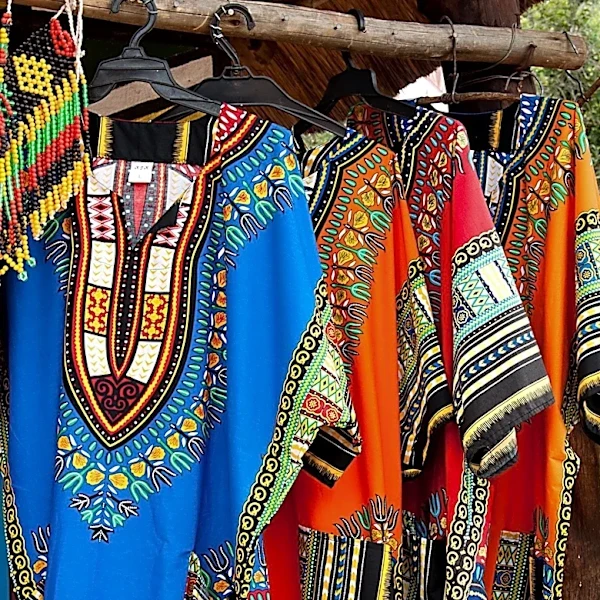


The dashiki, a colorful garment primarily worn in West Africa, is far more than just a simple shirt; it encompasses a wide array of styles and serves various functions, from everyday wear to formal ceremonial attire. This garment, which covers the top half of the body, demonstrates remarkable versatility, ranging from basic draped clothing to intricately tailored suits. Its adaptability is evident in the distinct versions that have evolved, each suited
to different occasions and preferences, making it a staple in many wardrobes.
Informal and Common Styles
At its most common, the dashiki is a loose-fitting pullover garment characterized by an ornate V-shaped collar and carefully tailored and embroidered neck and sleeve lines. This informal version often features traditional prints or embroidery, making it a comfortable and visually appealing choice for daily wear. It is frequently paired with a brimless kufi cap, a head covering common in Islamic communities across Africa and the African diaspora, and simple pants. This combination creates a complete and recognizable ensemble that is both practical and culturally significant.
This everyday dashiki is a testament to its origins as a practical work tunic for men in West Africa. The Yoruba language term "dàńṣíkí," derived from the Hausa "dan ciki" meaning 'shirt' or 'inner garment,' points to its foundational role as a comfortable and functional piece of clothing. The design, with its loose fit, allows for ease of movement and breathability, which are important considerations in warm climates.
Formal Attire and Ceremonial Versions
Beyond its informal manifestations, the dashiki also features prominently in formal wear, with three distinct formal versions recognized. The first formal type is known as a dashiki suit or dashiki trouser set. This ensemble consists of a dashiki, matching drawstring pants called sokoto, and a coordinating kufi cap. This particular style is a popular choice for grooms during wedding ceremonies, highlighting its significance in important life events.
Another formal iteration is the Senegalese kaftan. This version extends the length of the shirt to ankle-length, maintaining the matching kufi and sokoto. The elongated silhouette of the Senegalese kaftan offers a different aesthetic, often conveying elegance and formality. The third formal type, known as a grand boubou or an agbada, involves a dashiki and matching trousers, over which a flowing gown is worn. This layered approach creates a majestic and elaborate appearance, often reserved for significant occasions, further showcasing the dashiki's capacity to adapt to varying degrees of formality and cultural expression.