





Zagreb, the capital of Croatia, is not only a significant economic and administrative center but also a vibrant cultural and tourist destination. The city offers a diverse array of attractions, from historical sites and world-class museums to lively festivals and a distinctive culinary scene. Its appeal has grown significantly, attracting close to a million visitors annually, with a notable increase in tourists from Austria, Germany, Italy, and more
recently, from East Asian countries like South Korea, Japan, China, and India. This influx of visitors underscores Zagreb's position as an important tourist hub in Southeast Europe, known for its high quality of living and a wide range of entertainment options.
A City of Museums and Historical Landmarks
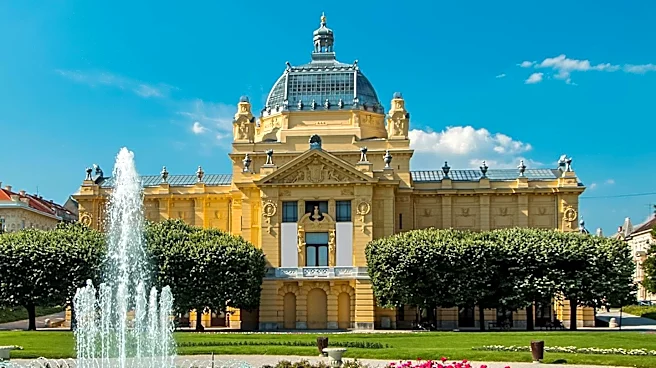
Zagreb's cultural landscape is particularly rich in museums, which collectively reflect the history, art, and culture of both Zagreb and Croatia, as well as broader European and global influences. The city boasts around thirty collections in museums and galleries, housing over 3.6 million exhibits. Among these, the Archaeological Museum stands out with nearly 450,000 artifacts, including an Egyptian collection featuring the Zagreb mummy and bandages with the world's oldest Etruscan inscription. The Modern Gallery showcases a comprehensive collection of 19th and 20th-century Croatian art, while the Croatian Natural History Museum holds one of the most important collections of Neanderthal remains globally.
Other notable institutions include the Technical Museum, which preserves operational machinery from 1830 and features sections like a Planetarium and a Nikola Tesla study, and the Museum of the City of Zagreb, chronicling the city's history from Roman times to the modern era. The Arts and Crafts Museum, founded in 1880, aims to preserve artistic and craft works against industrial predominance, holding 160,000 exhibits. The Ethnographic Museum covers Croatia's ethnographic heritage across three cultural zones, and the Mimara Museum, established through a donation from Ante Topić Mimara, displays 3,750 works of art, including paintings by European masters like Rubens and Velázquez. The Croatian Museum of Naïve Art is one of the world's first museums dedicated to this art form, and the Museum of Contemporary Art houses a rich collection of Croatian and international contemporary visual art. Additionally, the unique Museum of Broken Relationships, a private museum, holds mementos of past relationships, offering a poignant and unusual experience for visitors.
Culinary Delights and Local Traditions
Zagreb's culinary scene offers a blend of traditional Croatian food and international dishes. The city is home to two Michelin-starred restaurants, alongside many others serving various national and international cuisines. Local bakeries provide regional pastries such as burek, strudels, and pies, while "pečenjara" restaurants specialize in grilled meats like ćevapi, patties, and lamb. A popular local tradition is