









Paris is a city known for its stunning architecture, which has evolved significantly over the centuries. From medieval structures to modern skyscrapers, Paris's architectural landscape reflects its rich history and cultural identity. This article examines the architectural transformation of Paris and its impact on the city's character.
Haussmann's Renovation
The architectural transformation of Paris began in earnest during the 19th century under the direction of Baron Haussmann.
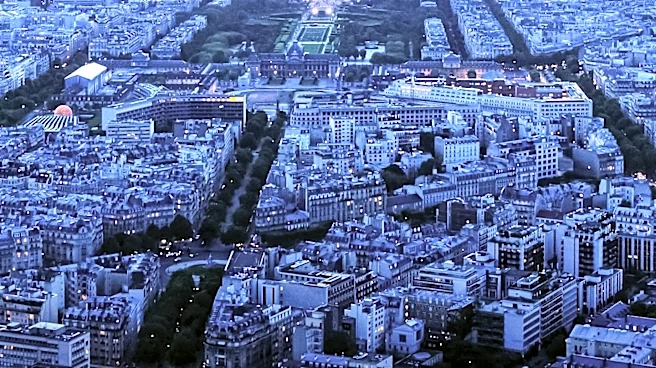
Appointed by Napoleon III, Haussmann embarked on a massive urban renewal project that reshaped the city. Wide boulevards, parks, and standardized building facades were introduced, creating the iconic look of Paris that is recognized today.
Haussmann's renovation aimed to modernize Paris, improving infrastructure and living conditions. The new urban plan facilitated better traffic flow and sanitation, while the architectural style, known as Haussmannian, became synonymous with Paris. This transformation not only enhanced the city's aesthetic appeal but also reinforced its status as a modern metropolis.
Modern Developments
The 20th century saw further architectural developments in Paris, with the introduction of the metro system and the construction of high-rise buildings. The Tour Montparnasse, completed in 1973, became the tallest building in the city, symbolizing Paris's embrace of modern architecture.
Paris's architectural evolution continued with the development of La Défense, Europe's largest business district. The area features contemporary skyscrapers and innovative designs, contrasting with the traditional architecture found in the city center. These modern developments reflect Paris's adaptability and its role as a global economic hub.
Preserving Heritage
Despite its modern advancements, Paris remains committed to preserving its architectural heritage. The city's historical landmarks, such as Notre Dame Cathedral and the Eiffel Tower, are protected and maintained, ensuring their continued presence in the urban landscape.
Paris's dedication to preserving its architectural history is evident in its status as a UNESCO World Heritage Site. The city's ability to balance modernity with tradition has contributed to its unique identity, attracting tourists and residents alike.
The architectural transformation of Paris is a testament to the city's resilience and innovation. From Haussmann's renovation to modern skyscrapers, Paris's architectural evolution has shaped its identity, making it one of the most beautiful and culturally significant cities in the world.