


The 1987 NFL season was not only marked by a player strike but also by several significant rule changes that influenced how the game was played and officiated. These modifications aimed to address various aspects of gameplay, from penalties in the end zone to blocking techniques and clock management. Understanding these rule adjustments provides insight into the strategic evolution of professional football during this period.
Pass Interference and Kickoff Regulations
One of the major rule
changes concerned pass interference committed by a defensive player in their own end zone. Previously, such a penalty might have resulted in a less severe outcome. However, starting in 1987, if a defensive player committed pass interference in their own end zone, the ball would be placed at the 1-yard line. If the previous spot of the ball was already inside the 2-yard line, the penalty would be half the distance to the goal line. This rule aimed to provide a more substantial advantage to the offensive team in such situations, potentially leading to more scoring opportunities.
Another important change involved kickoffs that went out of bounds. Under the new rule, except for the first onside kick attempt, if a kickoff went out of bounds, the receiving team would take possession of the ball 30 yards from the spot of the kick or the spot where it went out of bounds. This rule was designed to penalize inaccurate kickoffs and ensure fair field position for the receiving team, encouraging more precise kicking from the special teams unit.
Clock Management and Blocking Rules
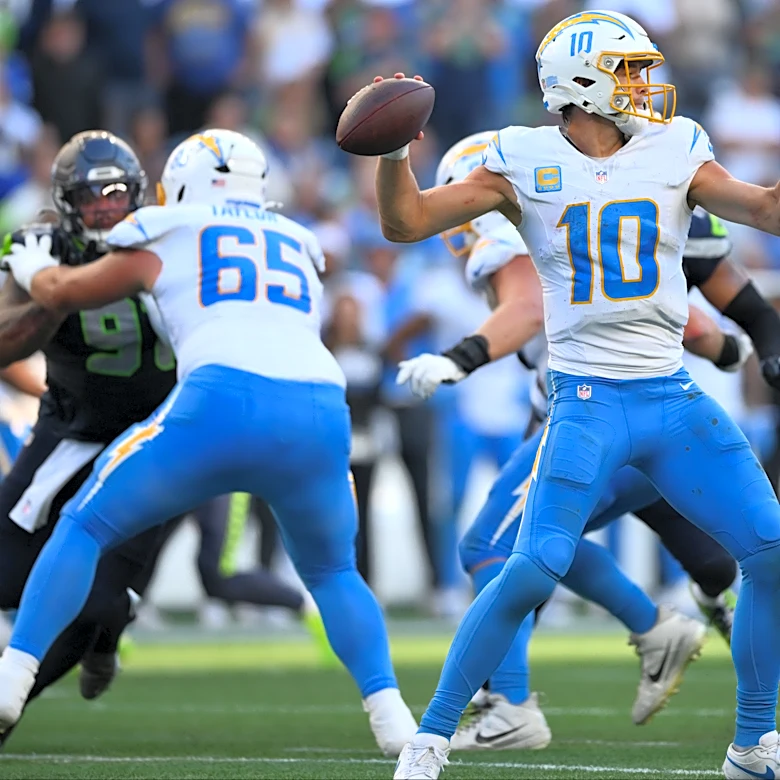
To enhance clock management strategies, a new rule permitted the quarterback to throw the ball out of bounds or to the ground to stop the clock, provided it was thrown immediately after receiving the snap. This change offered quarterbacks a legitimate way to conserve time at the end of halves or games without incurring an intentional grounding penalty, adding a new tactical dimension to late-game situations.
Blocking rules also saw modifications. During passing plays, an offensive player was prohibited from chop blocking, which involves blocking a defender below the thigh while that defensive player is already engaged with another offensive player. This rule was implemented to protect defensive players from potentially dangerous low blocks. Additionally, illegal contact by a defensive player beyond the 5-yard zone from the line of scrimmage would not be called if the offensive team was in an obvious punt formation, acknowledging the different dynamics of punt plays.
Blocking Below the Waist and Revenue Sharing Implications
Further adjustments were made to blocking below the waist during kicks and punts. Players on the receiving team were no longer allowed to block below the waist. However, players on the kicking team could still block below the waist, but only before the kick was made. On all other plays after a change of possession, no player was permitted to block below the waist. These rules aimed to improve player safety across various special teams and turnover scenarios.
While not directly a gameplay rule, a change in revenue sharing also had significant implications for the league. NFL players began receiving a portion of ticket revenue, while owners retained revenue generated by skybox rentals. This led many teams to advocate for new stadiums, often designed with skybox suites in more desirable locations closer to the field. This allowed owners to charge more for these suites, while sometimes reducing ticket revenue by replacing higher-priced seats with lower-priced "nose bleed" seats, and generally reducing the number of available general admission seats in favor of larger suites.