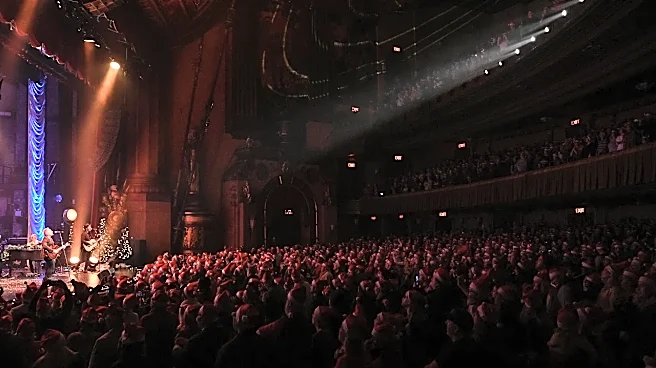


On American Thanksgiving Day, November 25, 1976, the Winterland Ballroom in San Francisco hosted what was advertised as the Canadian-American rock group the Band's "farewell concert appearance." This event, known as The Last Waltz, was far more than a simple concert; it became a landmark in music history, featuring an unprecedented lineup of guest performers and later immortalized as one of the greatest documentary concert films ever made. The concert marked
a pivotal moment for the Band, signaling a desire for change after years of relentless touring, and its subsequent film adaptation cemented its place in cultural memory.
The Genesis of a Farewell
The idea for The Last Waltz emerged early in 1976, following a serious boating accident involving Richard Manuel, one of the Band's members. This incident prompted Robbie Robertson, a primary songwriter and guitarist for the group, to contemplate a significant shift in the Band's future. Robertson began to envision a scenario where the Band would cease live performances and transition into a studio-only entity, drawing a parallel to the Beatles' decision to stop touring in 1966. He expressed concerns about the detrimental effects of prolonged periods on the road, stating in interviews that the prospect of 20 years of touring was something he "couldn't live with" or even "discuss." This desire to end the constant touring cycle was a central theme Robertson conveyed to director Martin Scorsese during interviews for the film, highlighting the concert as the culmination of 16 years on the road.
An Unforgettable Gathering of Musical Talent
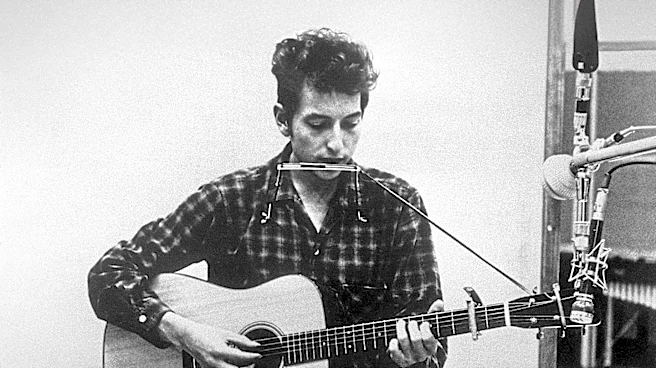
The Last Waltz was distinguished by its extraordinary roster of guest musicians, transforming the Band's farewell into a grand celebration of rock and roll history. More than a dozen special guests joined the Band on stage, creating a collaborative musical tapestry. These included legendary figures such as Ronnie Hawkins and Bob Dylan, both of whom had previously employed members of the Band. The lineup also featured Paul Butterfield, Bobby Charles, Eric Clapton, Neil Diamond, Emmylou Harris, Dr. John, Joni Mitchell, Van Morrison, the Staple Singers, Ringo Starr, Muddy Waters, Ronnie Wood, and Neil Young. The musical direction for this ambitious event was overseen by John Simon, who had been the Band's original record producer, ensuring a cohesive and high-quality performance despite the diverse array of artists.
From Concert Stage to Cinematic Masterpiece
The impact of The Last Waltz extended far beyond the Winterland Ballroom. The concert was meticulously documented and later released as a film, which has since garnered immense critical acclaim. Hailed as one of the greatest documentary concert films ever made, it is often considered second only to *Stop Making Sense*. The film begins with a title card boldly declaring, "This film should be played loud!" and proceeds to explore the Band's influences and career through a combination of live performances and interviews. The film captures the essence of the Band, detailing the roles of its members: Rick Danko on bass, violin, and vocals; Levon Helm on drums, mandolin, and vocals; Garth Hudson on keyboards, saxophone, and accordion; Richard Manuel on keyboards, drums, percussion, and vocals; and Robbie Robertson on guitar and vocals. In recognition of its profound cultural, historical, and aesthetic significance, The Last Waltz was selected by the Library of Congress in 2019 for preservation in the United States National Film Registry, solidifying its status as a timeless piece of American cultural heritage.