




The diplomatic relationship between the United States and Venezuela has experienced significant changes over the years. From strong ties in the 20th century to strained relations in the 21st century, the two countries have navigated a complex political landscape. This article explores the historical development of United States–Venezuela relations, highlighting key events and turning points that have shaped their interactions.
Early Relations and Cooperation
In the early 20th century,
the United States and Venezuela enjoyed a cooperative relationship. The discovery of oil in Venezuela under President Juan Vicente Gómez played a crucial role in strengthening economic ties between the two nations. The United States, along with European powers, supported Gómez's government, which granted concessions to foreign oil companies. This period marked a time of mutual benefit, as the United States gained access to Venezuela's vast oil reserves, while Venezuela received support in managing its national debt.
The relationship continued to flourish throughout the mid-20th century, with both countries benefiting from economic and political cooperation. The United States was Venezuela's most important trading partner, particularly in the oil sector. This strong economic bond laid the foundation for a stable diplomatic relationship that lasted for several decades.
The Rise of Tensions
The election of Hugo Chávez as President of Venezuela in 1998 marked a significant shift in the country's foreign policy. Chávez's socialist and anti-imperialist stance led to a deterioration of relations with the United States. Accusations of U.S. involvement in the 2002 Venezuelan coup attempt against Chávez further strained the relationship. Although the U.S. denied any direct involvement, the incident left a lasting impact on bilateral relations.
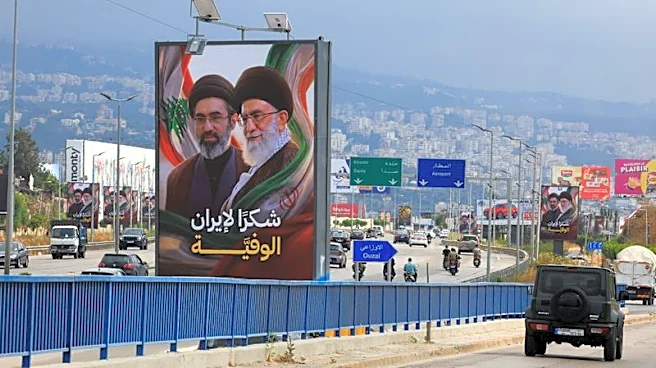
Under Chávez's leadership, Venezuela pursued closer ties with countries like Cuba and Iran, further distancing itself from the United States. The U.S. government, in turn, criticized Chávez's policies and expressed concerns over human rights violations and democratic processes in Venezuela. This period marked a significant decline in diplomatic relations, with both countries frequently engaging in public disputes.
Recent Developments and Challenges
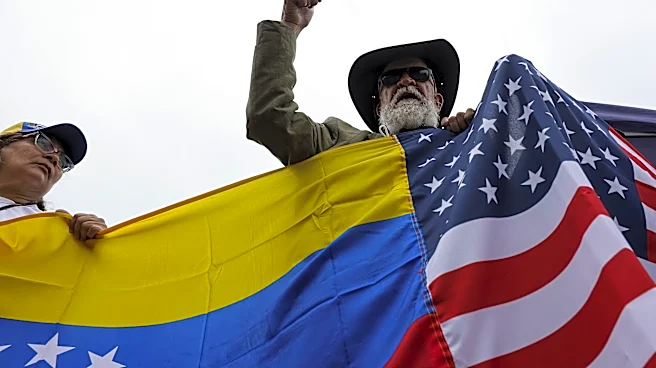
In recent years, the relationship between the United States and Venezuela has continued to face challenges. The 2019 Venezuelan presidential crisis, where the U.S. recognized opposition leader Juan Guaidó as interim president, led to a complete breakdown in diplomatic ties. The U.S. imposed sanctions on Venezuela, targeting its oil industry and government officials.
Despite these tensions, there have been attempts to restore relations. In 2026, following the capture of Nicolás Maduro by U.S. forces, both countries began taking steps towards reconciliation. The interim Venezuelan government, led by Delcy Rodríguez, initiated diplomatic discussions with the United States, signaling a potential shift towards improved relations.
The history of United States–Venezuela relations is a testament to the complexities of international diplomacy. As both countries navigate their differences, the future of their relationship remains uncertain, with potential for both cooperation and conflict.