



Bobby Orr revolutionized the game of hockey with his distinctive and dynamic style of play, particularly as a defenseman. In an era where defensive play was often characterized by hanging back and a more static approach, Orr introduced an end-to-end rushing game that was virtually unheard of for his position. His fluid skating, exceptional puck control, and ability to contribute significantly to offense from the blue line transformed expectations
for defensemen. This innovative approach not only made him a dominant force on the ice but also influenced countless players who followed, leaving an indelible mark on how the game is played.
The Two-Way Game and Offensive Prowess
Orr's command of the two-way game was central to his revolutionary style. While primarily a defenseman, his offensive contributions were extraordinary. His teammate Eddie Johnston once remarked, "They say Bobby doesn’t play defense. Heck, he makes hockey a 40-minute game for us. He’s got the puck 20 minutes by himself. What better defense is there? If Orr has the puck, we’re going to score—not the other guys." This highlights how Orr's ability to carry the puck and generate offense was, in itself, a form of defense, keeping the puck away from opponents and creating scoring opportunities for his team. He was the only defenseman to win the Art Ross Trophy as the league's top scorer, achieving this feat twice.
Skating, Rushing, and Strategic Advantages
Orr's exceptional skating ability was a cornerstone of his game. He was known for his end-to-end rushes, often carrying the puck from his own zone deep into the offensive zone. This allowed him to be where the puck was, enabling him to score effectively and defend when necessary. According to Bruins' Phil Esposito, Orr possessed truly great speed, especially when needing to recover on an odd-man rush. He could get back to break up plays with remarkable quickness. Orr also benefited from playing most of his career in Boston Garden, which was 9 feet shorter than a standard NHL rink, a dimension that perfectly suited his rushing style, allowing him to traverse the ice even faster.
Physicality and the Toll on His Body
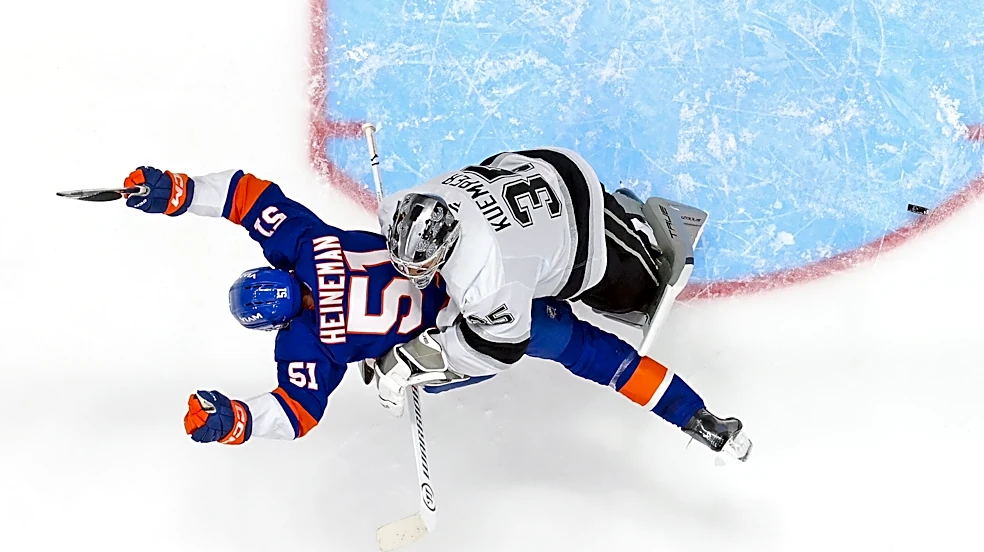
Orr's aggressive, all-out style of play, particularly his tendency to carry the puck and drive towards the net, came at a significant physical cost. He was a left-hand shot who played the right side, often racing down the right wing, leading with his left knee to protect the puck and fend off opponents. This put his left knee in a vulnerable position, frequently taking the brunt of hits from opposing defensemen. He would often crash into goalies, the net, or the end boards. Orr himself acknowledged this, stating, "It was the way I played. I liked to carry the puck and if you do that, you're going to get hit. I wish I'd played longer, but I don't regret it." His left knee endured numerous surgeries, reportedly 13 or 14 times, ultimately shortening his career. Despite the injuries, his commitment to his style remained unwavering, as he stated, "I had a style—when you play, you play all-out. I tried to do things. I didn't want to sit back. I wanted to be involved."
Legacy and Influence
Orr's impact extended beyond his individual statistics. Former Montreal Canadiens goaltender Ken Dryden described the sensation of Orr moving with the puck as unique, causing opponents to backpedal "like beachgoers sighting a coming monster wave." Dryden noted that Orr brought others with him, wanting them involved, creating a "five-player stampede" at his pace. This forced his teammates to elevate their game. Even opponents like Philadelphia Flyers' head coach Fred Shero recognized Orr's singular ability, commenting after the 1974 Stanley Cup Final, "They had Orr and he can do an awful lot. But we've got 17 good hockey players and every one of them put out. It was 17 against one." Orr's innovative approach to the defenseman position fundamentally changed how the role was perceived and played, inspiring generations of hockey players.