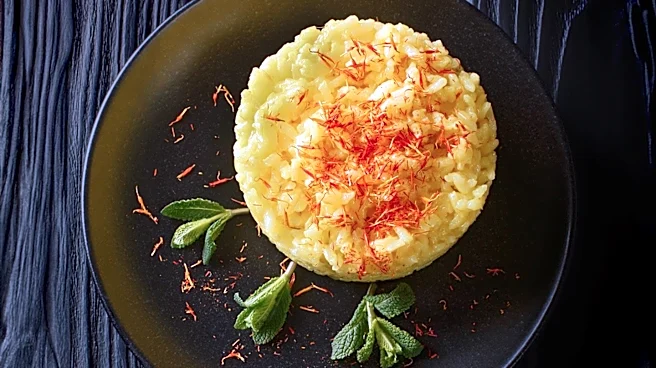



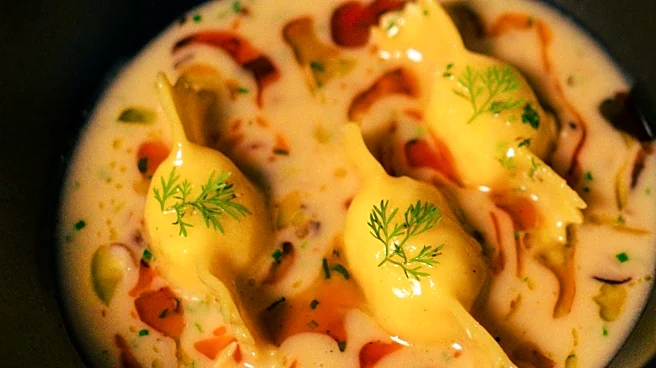



Risotto is not just a dish; it's an art form that requires precision and patience. Known for its creamy texture and rich flavors, risotto is a staple in Italian cuisine. This article explores the techniques and ingredients that make risotto a culinary masterpiece, offering insights into its preparation and the role of each component.
Essential Ingredients for Risotto
The foundation of any risotto is high-starch, medium- or short-grain rice. Varieties like Arborio, Carnaroli, and Vialone
Nano are preferred for their ability to absorb liquid and release starch, creating the dish's signature creaminess. Each variety has unique properties; for instance, Carnaroli is less likely to overcook, while Vialone Nano cooks faster and absorbs flavors more effectively.
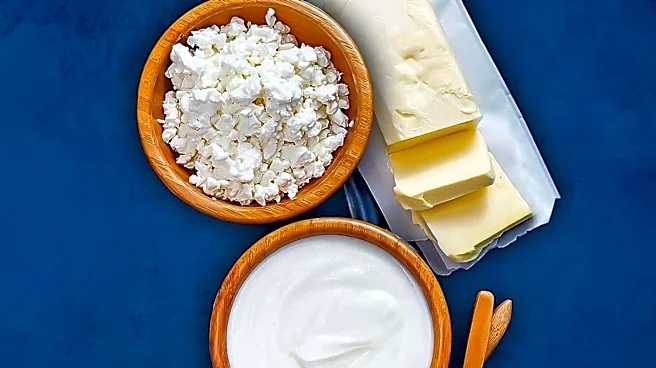
In addition to rice, key ingredients include broth, butter, onion, white wine, and Parmesan cheese. The broth, which can be made from meat, fish, or vegetables, is gradually added to the rice, allowing it to absorb the flavors. Butter and Parmesan are essential for the final step, known as mantecatura, where they are vigorously beaten into the cooked rice to enhance its creamy texture.
Mastering the Technique
The process of making risotto is as important as the ingredients. It begins with a soffritto of onion and butter or olive oil, where the rice is briefly cooked to coat each grain in fat. This step, known as tostatura, is crucial for developing the dish's flavor.
Once the rice is toasted, white wine is added and absorbed by the grains. The heat is then raised, and boiling stock is added gradually while stirring constantly. This constant stirring is vital, as it helps release the starch from the rice, creating a smooth, creamy texture. The rice should be cooked al dente, with a slight bite, and the final dish should be fluid, spreading easily on a plate without excess liquid.
Variations and Final Touches
While the basic technique remains consistent, risotto allows for endless variations. Ingredients like mushrooms, seafood, truffles, or seasonal vegetables can be added to create different flavors and textures. Each variation highlights the versatility of risotto, making it suitable for various occasions and preferences.
The final touch in risotto preparation is the mantecatura, where cold butter and grated Parmesan are beaten into the rice off the heat. This step enhances the dish's creaminess and adds a rich, savory flavor. Properly executed, risotto is a testament to the cook's skill and attention to detail, offering a satisfying and comforting dining experience.
In summary, the art of making risotto lies in the careful selection of ingredients and mastery of technique. Its creamy texture and rich flavors make it a beloved dish in Italian cuisine, celebrated for its versatility and depth.