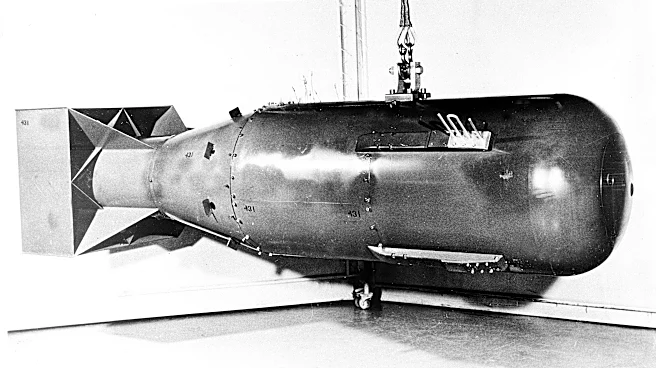




The atomic bombings of Hiroshima and Nagasaki were not only significant for their immediate impact but also for the military strategy that led to their execution. These bombings were the result of careful planning and decision-making by the U.S. military, aimed at bringing a swift end to World War II. This article explores the strategic considerations and military objectives that underpinned the decision to use atomic weapons against Japan.
The Decision to Use Atomic Weapons
The decision
to deploy atomic bombs on Japan was influenced by several factors. As World War II dragged on, the U.S. sought a decisive action that would compel Japan to surrender unconditionally. The development of the atomic bomb through the Manhattan Project provided a powerful new weapon that could achieve this goal. Military leaders believed that the shock and awe of an atomic explosion would demonstrate the futility of continued resistance and force Japan to capitulate.
The choice of Hiroshima and Nagasaki as targets was also strategic. Both cities were of military significance, with Hiroshima housing military headquarters and Nagasaki being an industrial hub. By targeting these cities, the U.S. aimed to cripple Japan's ability to continue the war effort. The bombings were intended to send a clear message of American military superiority and the willingness to use nuclear weapons if necessary.
Execution of the Bombing Missions
The execution of the bombing missions involved meticulous planning and coordination. The U.S. military selected the B-29 bomber, Enola Gay, to carry out the mission over Hiroshima. The bomb, "Little Boy," was dropped on August 6, 1945, resulting in massive destruction. The mission was deemed a success in terms of achieving its military objectives, as it demonstrated the devastating power of the atomic bomb.
Three days later, on August 9, 1945, the B-29 bomber Bockscar dropped the "Fat Man" bomb on Nagasaki. This mission faced challenges, including weather conditions and the need to find an alternative target. Despite these obstacles, the bombing was executed, further showcasing the destructive capability of nuclear weapons. The successful completion of these missions underscored the effectiveness of the U.S. military strategy.
The Aftermath and Military Implications
The atomic bombings of Hiroshima and Nagasaki had significant military implications. The immediate result was Japan's surrender on August 15, 1945, effectively ending World War II. The use of atomic weapons demonstrated a new era of warfare, where nuclear capability became a critical factor in military strategy.
The bombings also sparked debates about the ethics and necessity of using such weapons. While the military strategy achieved its objective of ending the war, it also raised questions about the humanitarian cost and the future of nuclear warfare. The atomic bombings remain a subject of analysis and reflection, highlighting the complex interplay between military strategy and ethical considerations.