



"I Love Lucy" was not merely a popular television show; it was a pioneer in the technical and structural aspects of television production, setting standards that would influence the industry for decades. From its unique filming approach to its extended run through specials, the series consistently pushed boundaries. These innovations were crucial to its success and its ability to maintain a high level of quality and audience engagement throughout
its tenure on CBS.
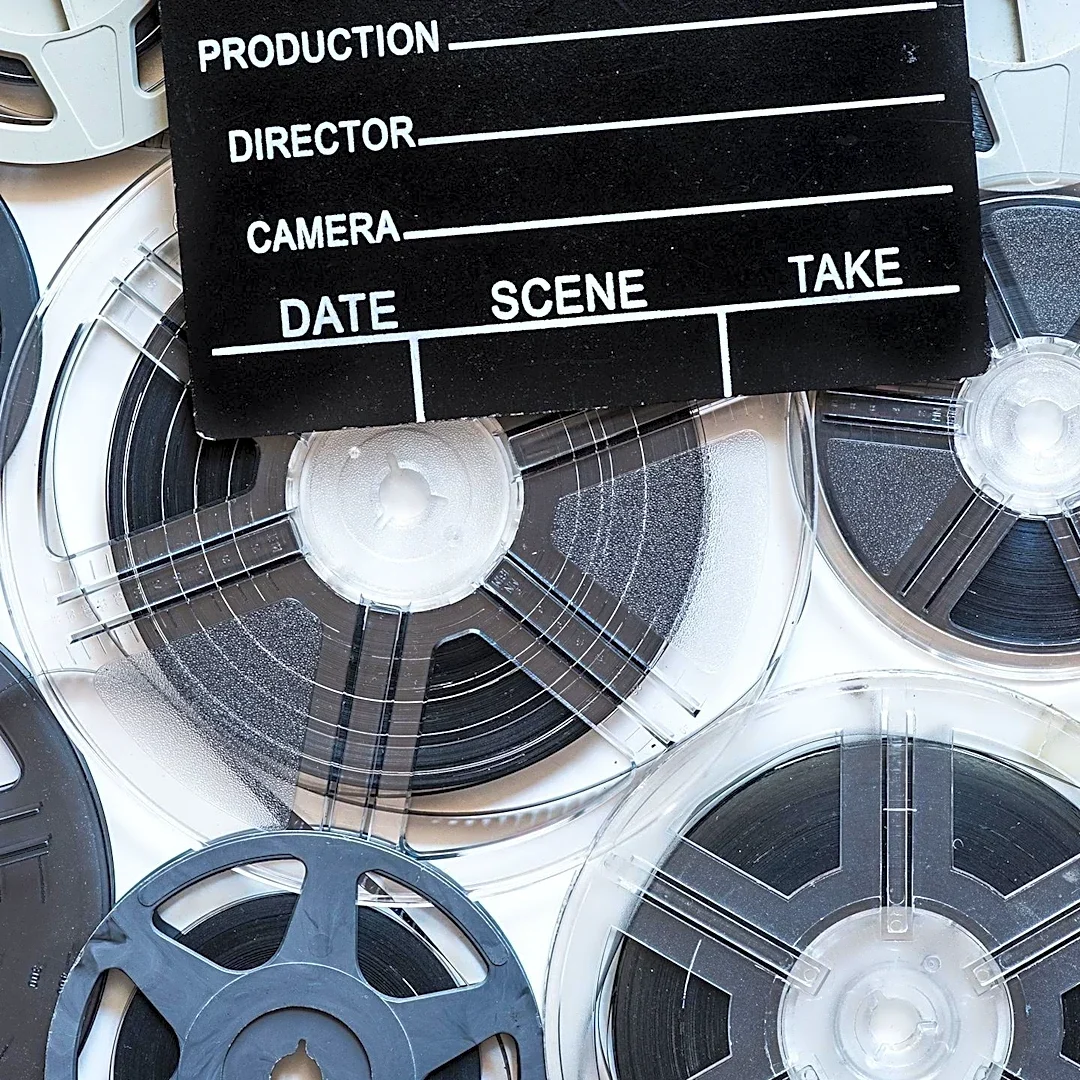
One of the most significant innovations of "I Love Lucy" was its decision to shoot on 35 mm film in front of a live studio audience. This was a radical departure from the common practice of live broadcasts or kinescope recordings prevalent in the early 1950s. The use of 35 mm film provided a superior image quality compared to other methods, which was essential for the show's visual comedy and overall presentation. This choice also facilitated the creation of high-quality reruns, making the show a valuable asset for syndication and ensuring its long-term availability to audiences.
The Live Audience Experience and Its Impact
The presence of a live studio audience was integral to the show's format and comedic timing. This approach allowed the cast to feed off the energy and reactions of real people, enhancing the comedic delivery and authenticity of the performances. The laughter heard in the episodes was genuine, contributing to the show's vibrant atmosphere. This method of production became a blueprint for many sitcoms that followed, demonstrating the power of immediate audience feedback in shaping a comedic performance.
Interestingly, the concept of a live audience was even integrated into the narrative of related projects. For instance, "I Love Lucy: The Movie," an unreleased 1953 film spin-off, cleverly explained the live-audience laugh track by making the audience part of the movie's action. This meta-narrative approach highlighted how deeply embedded the live audience concept was within the "I Love Lucy" brand, even when adapting the show for a different medium.
Evolution Beyond the Initial Run
The series' innovative spirit extended beyond its initial production methods to its overall run. After its highly successful six-season run from October 15, 1951, to May 6, 1957, "I Love Lucy" did not simply end. Instead, it transitioned into an extended format, continuing for three more seasons with 13 one-hour specials that aired from 1957 to 1960. This move allowed the beloved characters and storylines to evolve, providing fans with more content while adapting to changing television landscapes.
This continuation through specials demonstrated a flexible approach to television programming, allowing the franchise to maintain its popularity and connection with viewers for a longer period. The ability to adapt and extend its format, coupled with its pioneering use of 35 mm film and live studio audiences, solidified "I Love Lucy" as a landmark series. Its influence on how television shows are produced, distributed, and sustained remains a significant part of its enduring legacy, making it a true innovator in the history of the medium.