

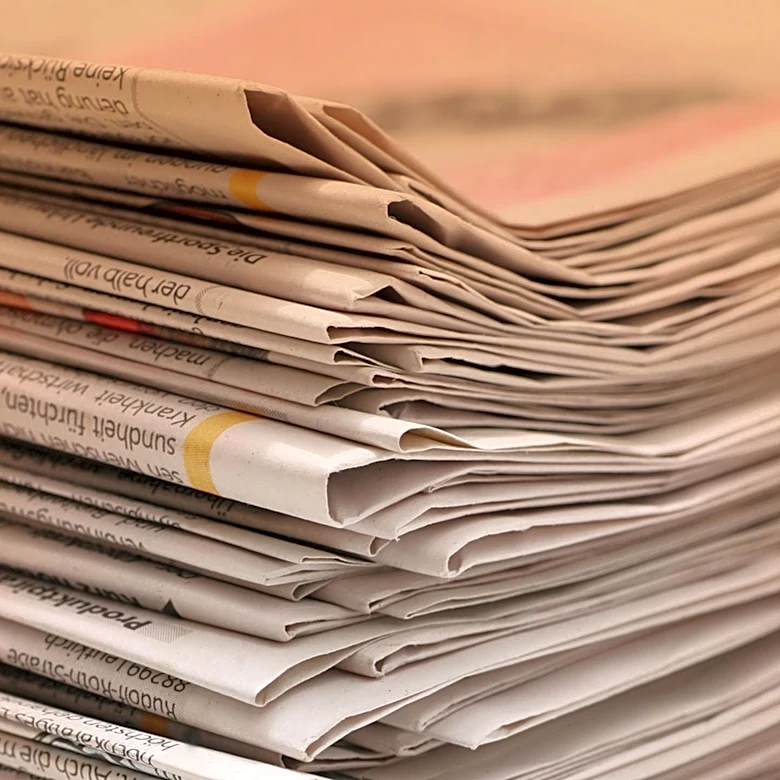







Periodical literature encompasses a vast array of publications that are released regularly and in series. This category includes familiar examples like daily newspapers, weekly news magazines, monthly journals, and even annual book series. The defining characteristic of a periodical is its serial nature, meaning it appears in new editions on a consistent schedule, often divided into issues or numbers that form annual volumes. These publications serve
a wide range of purposes, from disseminating general-interest news and entertainment to sharing highly specialized academic or technical information.
While a book series is also a serial publication, it is typically not referred to as a periodical. Similarly, encyclopedias or dictionaries, though they might be published in multiple editions over time, are generally considered books rather than periodicals. The core idea behind a periodical is a continuous, ongoing cycle of production and publication, with an indefinite plan to continue releasing new editions rather than stopping after a predetermined number.
Understanding Volumes and Issues in Periodicals
Periodicals are commonly organized and referenced by their volume and issue numbers. The volume number usually indicates the number of years the publication has been in circulation, while the issue number specifies how many times the periodical has been published within that particular year. For instance, a monthly magazine first launched in 2002, publishing its April 2011 edition, would be identified as "volume 10, issue 4." Sometimes, Roman numerals are used for volume numbers.
In some cases, periodicals might use absolute numbering, counting issues from the very beginning of the publication's history, rather than relative to a volume. Occasionally, a periodical might even provide both a relative issue number and an absolute number. The first issue of a periodical is often called a premiere or charter issue, and it might sometimes be preceded by dummy or zero issues. Conversely, the final issue is sometimes referred to as the last issue.
The Diverse Frequencies of Periodical Publication
Periodicals are frequently categorized by their publication frequency, which can vary significantly. This information is crucial for librarians when deciding whether to include certain periodicals in their collections and for scholars choosing where to submit their papers. Frequencies range from daily publications, which appear once per business day, to those published as infrequently as once every five years.
Common frequencies include weekly (52 times per year), biweekly or fortnightly (every two weeks, 26 times per year), and monthly (12 times per year). More frequent publications also exist, such as semi-monthly (twice per month, 24 times per year) and semi-weekly (twice per week, 104 times per year). On the less frequent side, periodicals can be quarterly (four times per year), triannually (thrice per year), semiannually or biannually (twice per year), annually (once per year), biennially (once every two years), triennially (once every three years), quadriennially (once every four years), and quinquennially (once every five years).
Content and Identification of Periodicals
Articles within a periodical are typically structured around a main subject or theme and include a title, publication date, author(s), and a brief summary. Many periodicals also feature an editorial section that offers commentary on topics relevant to its readers. Other common elements are reviews of recently published books and films, columns expressing authors' opinions, and advertisements. Modern periodicals can also include e-journals and other electronic-only publications.
To standardize identification, serial publications, including periodicals, are assigned an International Standard Serial Number (ISSN). This is similar to how books use an International Standard Book Number (ISBN). However, an ISSN identifies the overall serial publication, not a specific volume or issue, making it less useful for pinpointing particular content. Postal services often offer preferential rates for carrying periodicals, such as Second Class Mail in the United States, which applies to publications issued at least quarterly.