







The Space Shuttle Challenger disaster remains one of the most tragic events in the history of space exploration. Occurring on January 28, 1986, the disaster led to the loss of all seven crew members aboard the shuttle. This article provides a chronological overview of the events leading up to the disaster, the immediate aftermath, and the subsequent impact on NASA's shuttle program.
Preparation and Launch
The Challenger was set for its 25th flight, with a crew of seven,
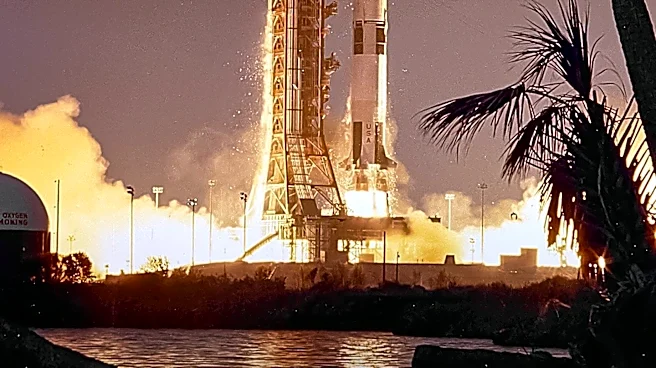
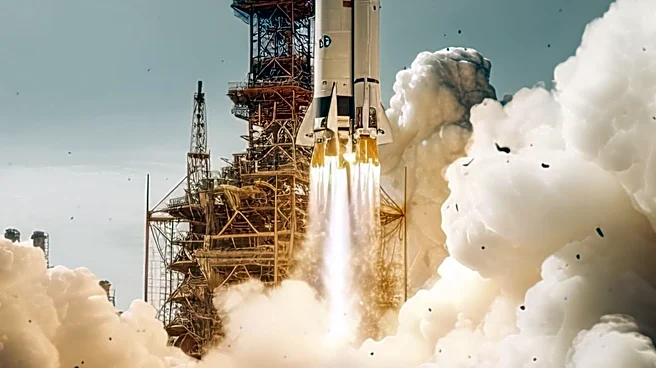
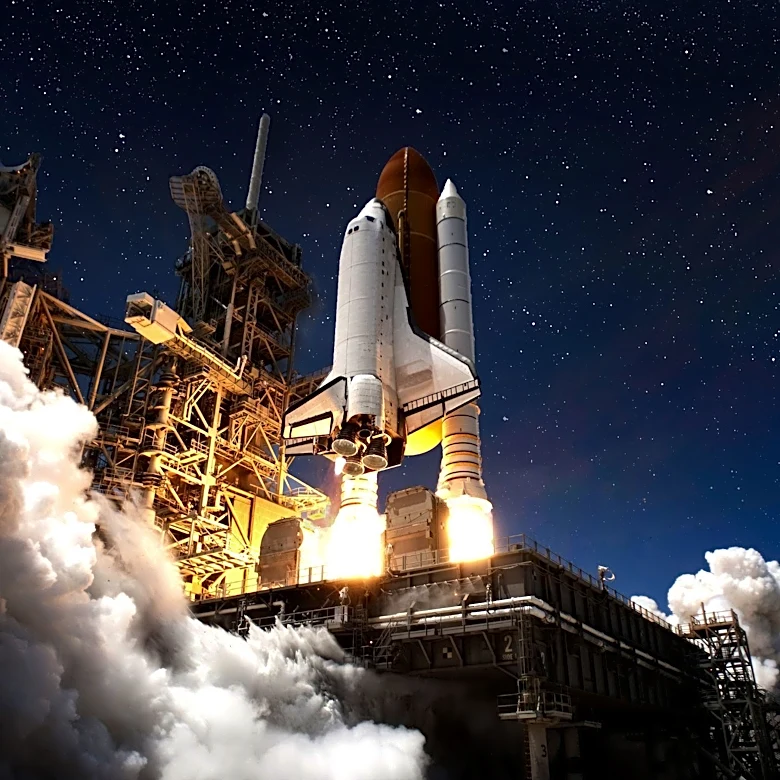
including teacher Christa McAuliffe. The launch was scheduled for January 28, 1986, despite concerns about the unusually cold weather. Engineers warned that the temperature was too low for the O-rings in the solid rocket boosters to function properly, but NASA proceeded with the launch. At 11:38 EST, Challenger lifted off from the Kennedy Space Center.
In the first seconds of flight, smoke was observed coming from the right booster, indicating that the O-rings were failing. Despite this, the shuttle continued its ascent, with the crew receiving confirmation that their flight status was "go" at the throttle-up stage.
The Disaster
At 73 seconds after liftoff, Challenger experienced a catastrophic failure. The O-rings in the right solid rocket booster had been destroyed by the cold, allowing hot gases to escape and burn through the external fuel tank. This led to a massive explosion that tore the shuttle apart.
The crew cabin remained intact as it fell towards the ocean, but the impact was fatal. The official report indicated that some crew members survived the initial breakup and attempted to regain control, but the cabin lacked parachutes and crashed into the ocean at high speed.
Aftermath and Impact
The Challenger disaster led to a suspension of shuttle flights for nearly three years. NASA faced intense scrutiny, and the Rogers Commission was established to investigate the accident. The commission identified the failed O-rings as the primary cause and criticized NASA's decision-making process.
In response, NASA implemented significant changes to improve safety and prevent similar tragedies. A new shuttle, Endeavour, was built to replace Challenger, and the shuttle program eventually resumed with enhanced safety protocols.
The Challenger disaster remains a somber reminder of the risks associated with space exploration and the importance of prioritizing safety over schedule pressures.