





Necklaces have been a staple of human adornment for thousands of years, serving various purposes from ceremonial to status symbols. This article explores the historical journey of necklaces, highlighting their evolution across different cultures and eras. From the simple materials used by prehistoric peoples to the intricate designs of ancient civilizations, necklaces have always been more than mere accessories.
Ancient Beginnings
Necklaces may have been one of the earliest
forms of adornment worn by humans. Prehistoric peoples often used natural materials such as feathers, bone, shells, and plant materials to create necklaces. Evidence of early Upper Paleolithic necklace making in southern Africa and east Africa dates back to 50,000 BP. By the Bronze Age, metallic jewelry had replaced pre-metallic adornments, marking a significant shift in the materials and techniques used.
In Ancient Mesopotamia, cylinder seals were often strung and worn as jewelry. Ancient Babylonian necklaces were crafted from carnelian, lapis lazuli, agate, and gold, which was also made into gold chains. The Ancient Sumerians created necklaces and beads from gold, silver, lapis lazuli, and carnelian, showcasing the importance of precious materials in their culture.
Cultural Significance
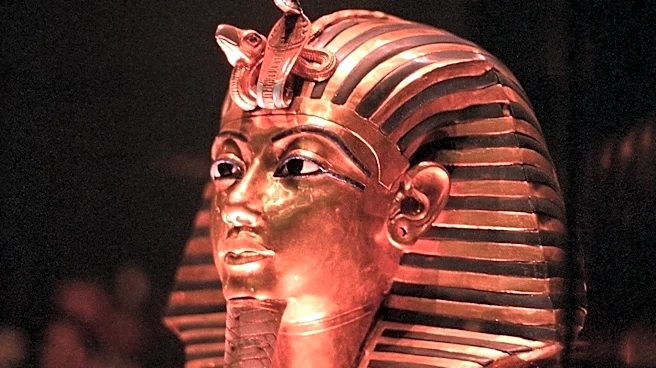
Necklaces have served ceremonial, religious, magical, or funerary purposes throughout history. In Ancient Egypt, upper-class individuals wore collars of organic or semi-precious and precious materials for religious, celebratory, and funerary purposes. These collars were often ornamented with semi-precious, glass, pottery, and hollow beads, reflecting the Egyptians' belief in the protective and symbolic power of jewelry.
In Ancient Greece, delicately made gold necklaces created with repoussé and plaited gold wires were worn, often ornamented with blue or green enameled rosettes, animal shapes, or vase-shaped pendants. The Hellenistic period introduced colored stones, allowing for poly-chromatic pieces that added vibrancy to the wearer's attire.
Modern Transformations
The evolution of necklaces continued into the modern era, with significant changes in style and materials. The Edwardian era saw a resurgence of pearl necklaces, alongside dog-collar style necklaces made of gold or platinum with inset diamonds, emeralds, or rubies. The Art Nouveau movement inspired symbolic, abstract designs with natural and animal motifs, using materials like glass, porcelain, bronze, ivory, mother of pearl, horn, and enamel.
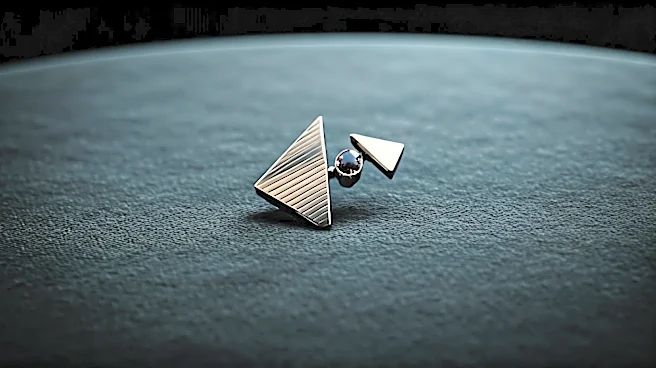
By the 20th century, Chanel popularized costume jewelry, and ropes of glass beads became common. The Art Deco movement created chunky, geometric jewelry that combined multiple types of gems and steel, reflecting the era's fascination with modernity and industrial design. Today, necklaces continue to evolve, serving as both fashion statements and cultural symbols, reflecting the wearer's identity and heritage.