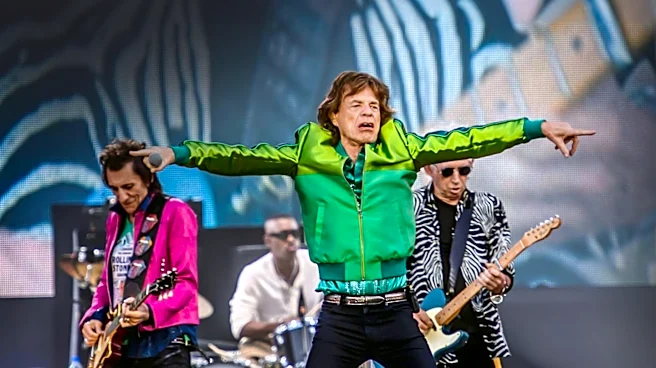




The Rolling Stones' American Tour in 1981 was not just a series of concerts; it was a monumental event that redefined the scale and profitability of rock and roll tours. Promoting their album "Tattoo You," this tour visited stadiums and arenas across the United States, ultimately becoming the largest-grossing tour of 1981. With ticket sales reaching an astounding $50 million, it set numerous records for attendance and financial success, many of which
remained unbroken for years. Roughly 2.5 million concert-goers attended the shows, solidifying its place in music history as an unprecedented spectacle.
Unprecedented Financial Success
The 1981 American Tour's financial achievements were staggering for its time. Grossing $50 million in ticket sales, it was not only the highest-grossing tour of 1981 but also maintained that distinction for several years afterward. This impressive figure was achieved with an average ticket price of just $16, underscoring the sheer volume of tickets sold. The tour's profitability was significant, with the band estimated to have reaped about $22 million after all expenses were accounted for. This financial triumph demonstrated the immense commercial power of The Rolling Stones and set a new benchmark for the music industry.
Beyond ticket sales, the tour also marked an early milestone in the rock industry by selling advertising rights. Jovan Musk paid a reported $3 million to become the exclusive sponsor of the tour, a pioneering move that integrated corporate sponsorship into large-scale music events. This innovative approach to funding further contributed to the tour's overall financial success and profitability, showcasing new avenues for revenue generation in the concert business.
Setting Attendance Records
The tour's impact on attendance was equally remarkable. Approximately 2.5 million people attended the concerts, leading to the establishment of several ticket sales records that stood for decades. For instance, the 5 December show in New Orleans set an indoor concert attendance record that remained unbroken for 33 years. The demand for tickets was immense, with the JFK Stadium shows in Philadelphia prompting nearly 4 million postcard requests for tickets, a method used at the time to deter scalping.
Similarly, requests for the five arena shows in the New York metropolitan area ran into the millions. The New York Times captured the magnitude of the event, stating that the tour was "expected to be the most profitable in the history of rock & roll; its sheer size has been staggering...ticket requests for these shows ran into the millions..." These figures highlight the extraordinary public interest and the band's enduring popularity, drawing massive crowds across the nation and cementing the tour's legendary status in terms of sheer scale and audience engagement.
Innovative Marketing and Broadcasts
Beyond its financial and attendance records, the 1981 American Tour also pioneered new marketing and broadcast strategies. The exclusive sponsorship deal with Jovan Musk for $3 million was a significant step in integrating corporate advertising into major music tours. This move not only provided substantial funding but also opened doors for future collaborations between artists and brands.
Another notable innovation was the pay-per-view broadcast of the 18 December performance at Virginia's Hampton Coliseum, which coincided with Keith Richards' 38th birthday. Billed as "The World's Greatest Rock'n'Roll Party," this event was transmitted via pay-per-view and in closed-circuit cinemas, marking the first such use of pay-per-view for a music event. This pioneering broadcast allowed a wider audience to experience the concert, further expanding the tour's reach and influence beyond the physical venues.