







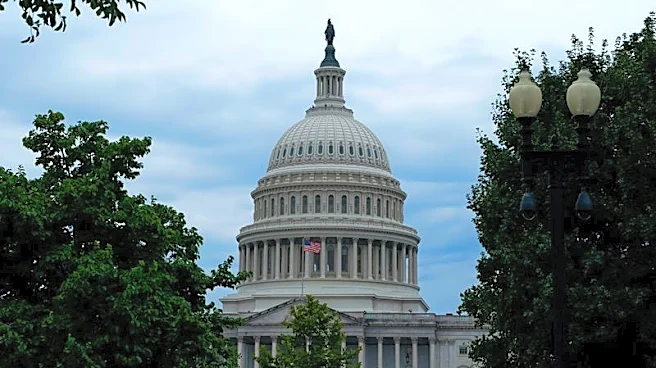
The Gulf of Tonkin Resolution, passed by Congress in August 1964, marked a significant turning point in U.S. policy towards Vietnam. This resolution granted President Lyndon B. Johnson broad military powers in Southeast Asia, leading to a major escalation of the Vietnam War. The resolution was a response to the Gulf of Tonkin Incident, where U.S. naval vessels were reportedly attacked by North Vietnamese forces.
The Passage of the Resolution
Following the Gulf of Tonkin Incident,
President Johnson addressed the nation, describing the attacks on the USS Maddox and USS Turner Joy as unprovoked acts of aggression by North Vietnam. He sought congressional approval for a resolution that would authorize the use of military force in response to these incidents.
On August 7, 1964, Congress passed the Gulf of Tonkin Resolution with overwhelming support. The resolution granted the president the authority to take all necessary measures to repel any armed attack against U.S. forces and to prevent further aggression. This effectively gave Johnson a blank check to escalate U.S. military involvement in Vietnam without a formal declaration of war.
Implications for U.S. Military Involvement
The Gulf of Tonkin Resolution had profound implications for U.S. military policy in Vietnam. It marked the beginning of a significant escalation in the conflict, with the deployment of combat troops and an increase in military operations. The resolution provided the legal basis for the U.S. to engage in sustained military action in Southeast Asia.
The resolution also reflected the heightened tensions of the Cold War era, as the U.S. sought to contain the spread of communism in Southeast Asia. It was seen as a necessary measure to demonstrate American resolve and commitment to its allies in the region. However, the decision to escalate the conflict would have long-lasting consequences for both the U.S. and Vietnam.
Controversies and Criticisms
In the years following the passage of the Gulf of Tonkin Resolution, it became a subject of controversy and criticism. Evidence emerged suggesting that the second attack on August 4 may not have occurred as initially reported. This revelation raised questions about the accuracy of the intelligence used to justify the resolution and the subsequent escalation of the war.
Critics argued that the resolution gave the president too much power to conduct military operations without adequate oversight from Congress. The lack of a formal declaration of war also led to debates about the constitutional implications of the resolution. Despite these controversies, the Gulf of Tonkin Resolution remains a pivotal moment in the history of U.S. involvement in Vietnam, shaping the course of the conflict for years to come.