







Scarves are more than just fashion accessories; they hold significant religious and cultural meanings across various societies. This article delves into the diverse roles scarves play in religious ceremonies and cultural practices, highlighting their importance beyond mere aesthetics.
Religious Significance
In many religious traditions, scarves are integral to ceremonial attire. In Christianity, several denominations include a scarf known as a stole as part of their liturgical
vestments. The English Church features a black silk scarf worn by clergy, while mourners at funerals wear a black scarf made of silk or crape over the right shoulder.
Scarves also play a role in Masonic Lodge processions, where marshals wear scarves of specific colors to denote their rank. The khata, a scarf used in Himalayan Buddhist tradition, serves as an offering or gift, typically white in Tibetan tradition but varying in color elsewhere.
Cultural Practices
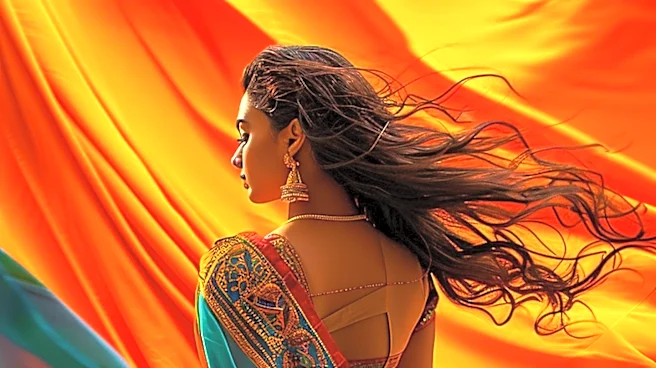
Scarves are deeply embedded in cultural practices around the world. In India, woolen scarves with Bandhani work are commonly worn, showcasing traditional tie-and-dye techniques. The Palestinian keffiyeh, a headscarf worn by men in the Middle East, symbolizes support for the cause of Palestine.
In Indonesia and Malaysia, the slenddang is a native scarf worn by women, draped over one shoulder and across the body diagonally. This garment is both printed and colored, reflecting the rich textile traditions of the region. Scarves are also used in social orders, such as Foresters and Odd Fellows, where colored silk scarves are worn on public occasions.
Symbolism and Identity
Scarves often serve as symbols of identity and solidarity. In sports, fans wear scarves in team colors to show support and loyalty. These scarves, adorned with club crests and slogans, are a vital part of the football culture, especially in Europe.
Scarves also hold personal significance, as seen in New England, where bereaved families receive scarves as a mark of respect. The scarf's ability to convey messages and emotions makes it a powerful accessory in both personal and communal contexts.
From religious ceremonies to cultural festivals, scarves are woven into the fabric of societies worldwide. Their roles in religious and cultural traditions highlight their significance beyond fashion, serving as symbols of identity, solidarity, and respect.