



Harry S. Truman's presidency, spanning from April 12, 1945, to January 20, 1953, marked a pivotal era in American and world history. Assuming the nation's highest office upon the death of Franklin D. Roosevelt, Truman inherited a country still deeply entrenched in World War II and on the cusp of a new global order. His tenure saw the conclusion of the war, the dawn of the Cold War, and the establishment of foundational foreign policy doctrines that
would shape international relations for decades. As the 33rd president, Truman navigated immense challenges, leaving a lasting legacy on both domestic and international fronts.
The Unexpected Ascent to Power and Immediate Challenges
Truman's journey to the presidency was swift and unexpected. He served as the 34th vice president for only a brief period, from January to April 1945, before Roosevelt's sudden passing thrust him into the Oval Office. This transition occurred at a critical juncture, with the war in Europe nearing its end but the conflict in the Pacific still raging. One of his most immediate and profound decisions was the use of atomic weapons on Japan in August 1945, a move that brought World War II to a definitive close but also ushered in the nuclear age.
Beyond the war, Truman faced the daunting task of guiding the nation through post-war reconstruction and the complex shift from wartime alliance to Cold War confrontation. His administration had to address the economic and social impacts of demobilization while simultaneously confronting the emerging ideological struggle with the Soviet Union. This period demanded decisive leadership and a clear vision for America's role in a rapidly changing world.
Shaping the Post-War World: Foreign Policy Cornerstones
Truman's foreign policy initiatives were instrumental in defining the post-World War II international landscape. The Truman Doctrine, established in 1947, committed the United States to supporting free peoples resisting attempted subjugation by armed minorities or outside pressures, effectively signaling a policy of containment against Soviet communism. This doctrine laid the groundwork for American interventionism in the Cold War.
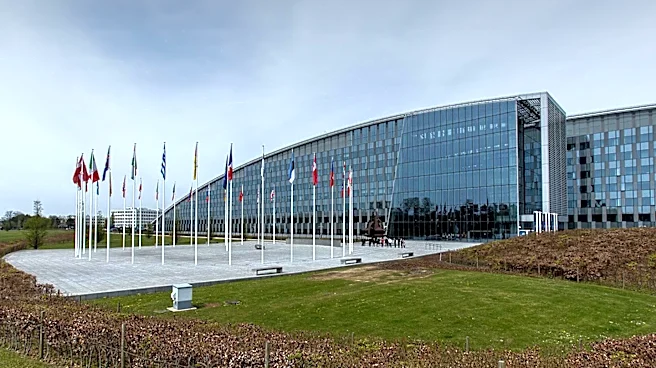
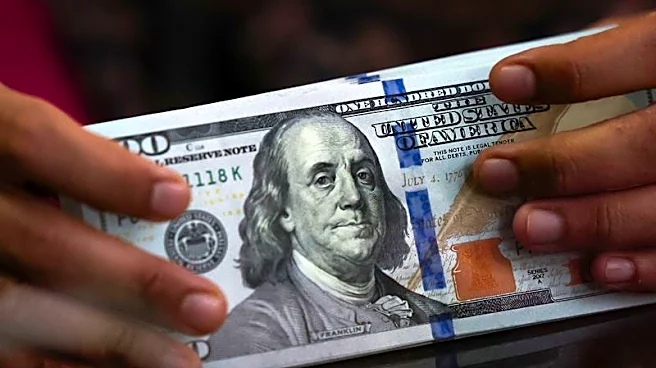
Complementing the Truman Doctrine was the Marshall Plan, officially known as the European Recovery Program. Launched in 1948, this ambitious initiative aimed to rebuild the war-torn economies of Western Europe, providing substantial financial aid to prevent economic collapse and the spread of communism. The plan was highly successful in fostering economic recovery and strengthening democratic institutions in the region. Furthermore, Truman was a key supporter of the founding of the North Atlantic Treaty Organization (NATO) in 1949, a collective security alliance designed to deter Soviet aggression in Europe.
Domestic Reforms and Enduring Principles
Domestically, Truman proposed numerous liberal reforms under the umbrella of the New Deal coalition. While many of these proposals faced resistance from a conservative coalition dominating Congress, his administration did see some significant legislative achievements. His presidency also saw the implementation of Executive Order 9835 in 1947, establishing a loyalty program for federal employees, reflecting the growing concerns about communist infiltration.
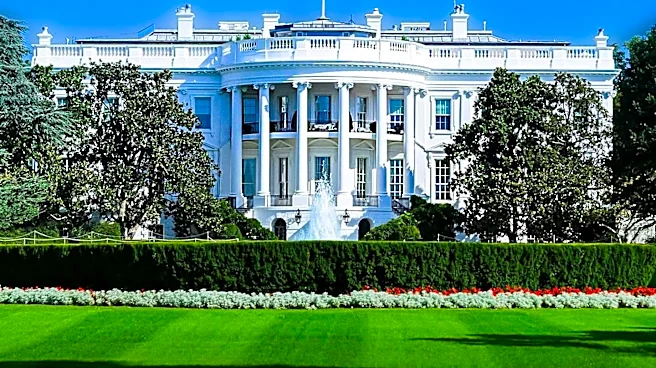
Truman's presidency is also associated with the famous phrase, "The buck stops here," which he displayed on his desk, symbolizing his acceptance of ultimate responsibility. This principle underscored his approach to leadership, particularly during times of immense pressure and difficult decisions. His administration also oversaw the White House Reconstruction and the establishment of the Truman Balcony, leaving a physical mark on the executive residence.