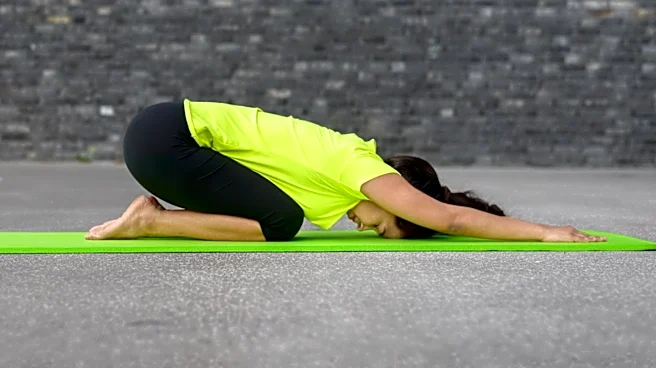








Core muscles are essential for a wide range of daily activities, from simple movements to complex tasks. These muscles, located in the belly and mid- and lower back, play a pivotal role in stabilizing the body and facilitating movement. This article explores how core muscles contribute to everyday activities, emphasizing their importance in maintaining balance and preventing injuries.
Core Muscles and Stability
The core muscles are crucial for stabilizing the thorax and pelvis
during movement. They help maintain posture and provide the necessary support for the axial skeleton, which includes the spine and ribs. This stability is vital for performing everyday tasks such as walking, bending, and lifting.
For instance, when walking on uneven ground, the core muscles work to balance the body while the legs propel it forward. Without a stable core, the legs alone would not be able to maintain balance, leading to potential falls and injuries.
Core Muscles in Functional Movements
Functional movements, which are movements that involve multiple muscle groups and joints, rely heavily on core strength. Activities such as lifting, pushing, and pulling require the core to stabilize the body and provide a solid base for the limbs to exert force.
The Valsalva maneuver, a technique where the thorax tightens while holding breath, is often used during heavy lifting. This maneuver engages the core muscles to stabilize the body and prevent injury by maintaining proper alignment of the spine and pelvis.
Core Strength and Injury Prevention
A strong core is essential for preventing injuries, particularly those related to the lower back. Weak core muscles can lead to poor posture and increased risk of injury during physical activities. Strengthening the core can improve balance, coordination, and overall body mechanics.
Exercises that target the core, such as planks and medicine ball workouts, can enhance core strength and stability. These exercises focus on aligning the spine and pelvis, ensuring that the body can resist both static and dynamic forces effectively.
In conclusion, core muscles are integral to performing everyday activities safely and efficiently. By understanding their role in stability and movement, individuals can focus on strengthening their core to improve overall health and prevent injuries.