









Poland's history is a rich tapestry of cultural, political, and social changes that have shaped the nation over centuries. From its early beginnings as a tribal state to its current status as a member of the European Union, Poland's journey is marked by periods of independence, foreign domination, and eventual resurgence. This article delves into the key historical milestones that have defined Poland's evolution.
Early Beginnings and the Polish-Lithuanian Commonwealth
The roots of Poland can be traced back
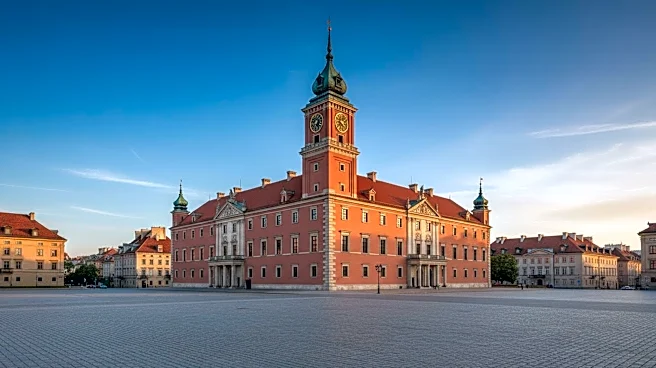
to the early 10th century when the West Slavic tribe of Polans established a state in what is now Greater Poland. The Christianization of Poland in 966 marked a significant turning point, leading to the formation of the Duchy of Poland. Under the rule of Bolesław I the Brave, Poland was elevated to a kingdom in 1025.
In 1569, Poland entered a new era with the formation of the Polish-Lithuanian Commonwealth, a dual state with Lithuania. This period, known as the Polish Golden Age, was characterized by cultural flourishing and political power. However, internal conflicts and external pressures eventually led to the Commonwealth's decline and partitioning by neighboring powers in the late 18th century.
Independence and World Wars
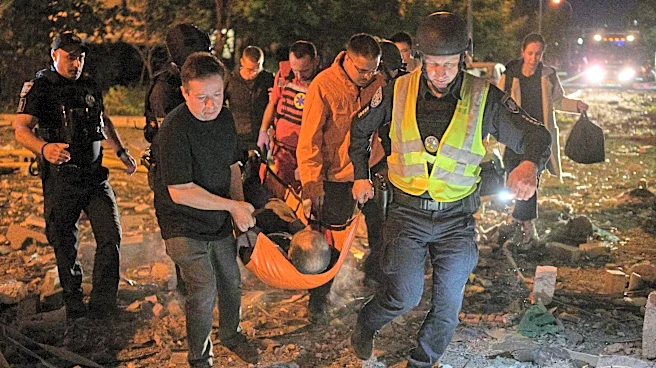
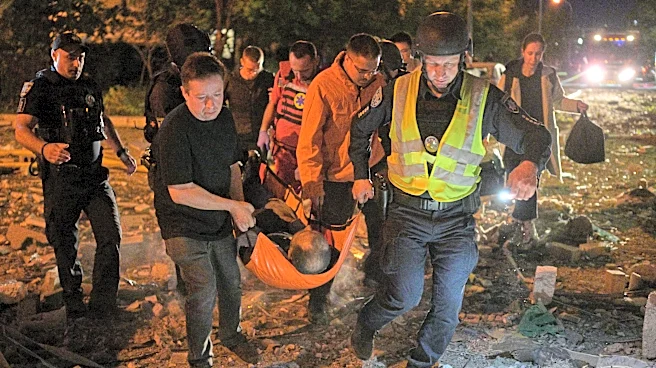
Poland regained its independence in 1918, following World War I, with the establishment of the Second Polish Republic. This period was marked by efforts to rebuild the nation and assert its sovereignty. However, the outbreak of World War II in 1939 brought devastation as Poland was invaded by Germany and the Soviet Union.
The war resulted in significant loss of life and territorial changes, with Poland emerging as a communist state under Soviet influence. The post-war period was challenging, with economic struggles and political repression. Despite these hardships, Poland maintained a distinct national identity and cultural heritage.
Modern Poland and European Integration
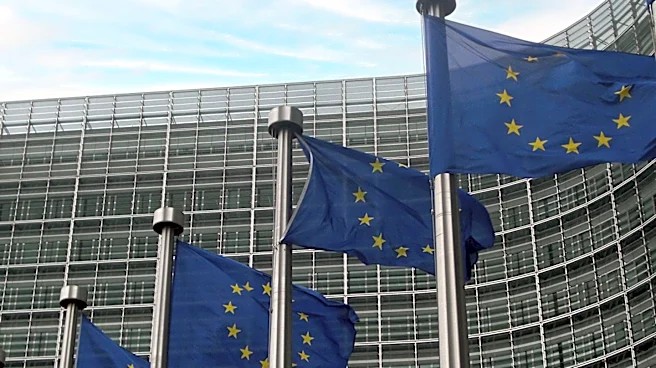
The fall of communism in 1989 marked a new chapter in Poland's history. The country transitioned to a liberal democracy and embarked on economic reforms. Poland's integration into the European Union in 2004 was a significant milestone, symbolizing its return to the European fold and commitment to democratic values.
Today, Poland is a member of various international organizations, including NATO and the United Nations. The country's history of resilience and adaptability continues to shape its role on the global stage. Poland's journey from a medieval kingdom to a modern European nation is a testament to its enduring spirit and determination.
Poland's historical evolution is a story of triumph over adversity, marked by periods of glory and struggle. From its early days as a tribal state to its current status as a democratic nation, Poland's history is a reflection of its people's resilience and commitment to preserving their cultural heritage.