








Risotto, a creamy rice dish, is a staple of Italian cuisine with a rich history rooted in the northern regions of Italy. Known for its unique preparation method and versatility, risotto has evolved over centuries to become a beloved dish worldwide. This article delves into the origins of risotto, its historical development, and how it has become a culinary icon.
Early Beginnings in Italy
Risotto's journey begins in Italy, where rice has been cultivated since the Renaissance.
Initially grown in southern Italy, rice cultivation gradually moved north to the Po Valley, an area with ideal conditions for rice farming. This shift laid the groundwork for the development of risotto, particularly in regions like Lombardy, Piedmont, and Veneto.
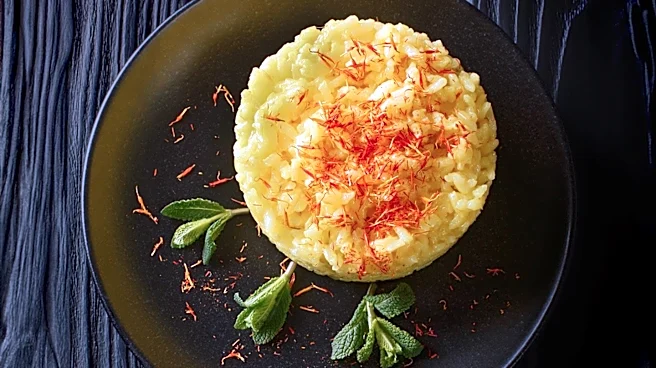
The first recipe resembling modern risotto dates back to 1809. This early version included rice sautéed in butter, sausages, bone marrow, and onions, with broth and saffron added gradually. Saffron, used for its flavor and vibrant yellow color, became a signature ingredient in risotto, especially in the famous Risotto alla Milanese.
Regional Variations and Cultural Significance
As risotto gained popularity, regional variations emerged, each reflecting local ingredients and culinary traditions. In Lombardy, Risotto alla Milanese became a classic, often served with Ossobuco. In Veneto, Risi e Bisi, a thick soup-like dish made with peas and pancetta, showcases the region's love for fresh produce.
Risotto's cultural significance extends beyond its ingredients. Traditionally served as a primo, or first course, risotto is a symbol of Italian hospitality and culinary artistry. Its preparation requires patience and skill, as the rice must be cooked slowly, with constant stirring, to achieve the desired creamy texture.
Modern Adaptations and Global Influence
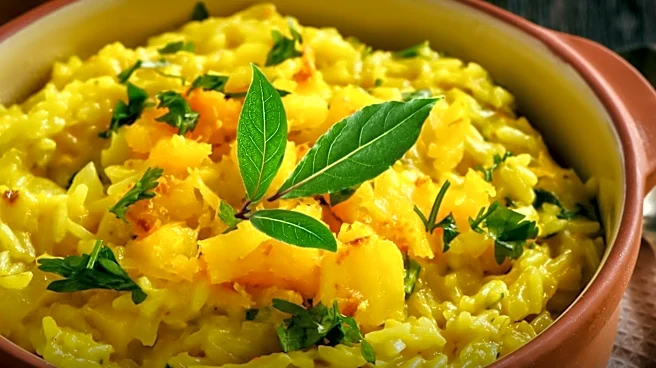
Today, risotto continues to evolve, with chefs around the world experimenting with new flavors and ingredients. While traditional recipes remain popular, modern adaptations include a variety of proteins, vegetables, and even fruits, showcasing risotto's versatility.
The dish's global influence is evident in its presence on menus worldwide. From upscale restaurants to home kitchens, risotto is celebrated for its rich flavor and comforting texture. Its ability to adapt to different cuisines and dietary preferences ensures its place in the culinary landscape for years to come.
In conclusion, risotto's journey from the rice fields of Italy to tables around the world is a testament to its enduring appeal. Its rich history, regional variations, and modern adaptations highlight the dish's versatility and cultural significance, making it a beloved staple in Italian cuisine and beyond.