






Online proctoring, also known as e-proctoring or remote proctoring, has become an essential tool for maintaining the integrity of assessments taken outside traditional classroom or testing center settings. This technology allows for the verification of test-taker identity and the monitoring of behavior to prevent cheating during electronically administered exams. Its application spans a wide range of institutions, from colleges and universities to corporations
and other certification providers, all seeking to ensure fair and secure evaluation processes in a digital age.
Core Methods of Online Proctoring
Online proctoring employs a variety of methods to achieve its goals of identity verification and cheating prevention. These methods can generally be categorized into three main types: live proctoring, record-and-review proctoring, and automated proctoring. Each approach offers distinct advantages and levels of oversight, allowing institutions to choose the most suitable option for their specific assessment needs and security requirements.
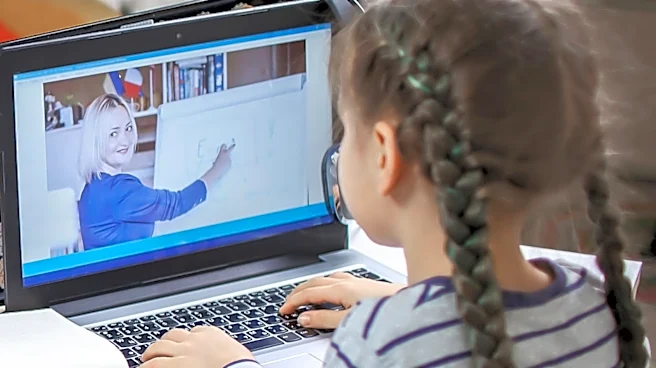
Live proctoring involves a human proctor observing the test-taker in real-time through a webcam and microphone. This method allows for immediate intervention if suspicious activity is detected, providing a high level of security and interaction. Record-and-review proctoring, on the other hand, involves recording the entire exam session—including video, audio, and screen activity—for later review by a human proctor. This method offers flexibility for both the test-taker and the proctoring service, as the review can happen at any time after the exam. Automated proctoring utilizes artificial intelligence and machine learning algorithms to monitor test-takers, flagging suspicious behaviors without direct human oversight during the exam. These flags are then often reviewed by human proctors to confirm potential violations.
Applications Across Educational and Professional Sectors
Online proctoring services are not limited to a single sector; they are widely adopted by various organizations that administer assessments remotely. Colleges and universities are significant users, leveraging these services to conduct online exams for their students, especially in distance learning programs. This ensures that academic standards are upheld even when students are not physically present on campus.
Beyond academia, corporations utilize online proctoring for employee training, certification exams, and professional development assessments. This helps companies ensure that their workforce possesses the necessary skills and knowledge, and that certifications are earned legitimately. Other certification providers, ranging from professional licensing boards to industry-specific credentialing bodies, also rely on online proctoring to validate the qualifications of individuals seeking their certifications. The ability to offer secure, remote testing expands access to these crucial credentials, making it more convenient for individuals to advance their careers while maintaining the rigor of the assessment process.
Data Analytics and Institutional Insights
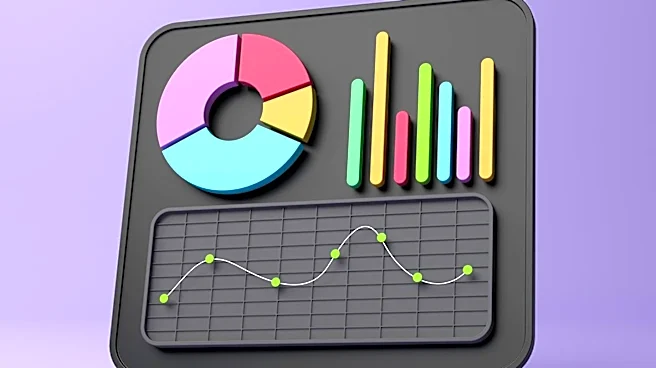
Some online proctoring providers offer more than just monitoring services; they also provide valuable data analytics to their client institutions. These analytics tools give colleges and universities access to anonymized, aggregated data related to proctoring activities and cheating rates. This data can be a powerful resource for institutions looking to understand and improve their assessment strategies.
By analyzing this aggregated data, institutions can measure their violation rates against those of other schools, providing a benchmark for their own security measures. Furthermore, these tools allow for the tracking of incidents by various metrics, such as the time of year when violations are most common or the types of courses that experience higher rates of academic dishonesty. Such insights can help institutions identify patterns, refine their proctoring policies, and implement targeted interventions to further enhance the integrity of their online assessments.