
Dragstrips are specialized facilities designed for the thrilling sport of drag racing, where vehicles compete to cross the finish line first over a short, straight course. These tracks are meticulously
designed to ensure safety, fairness, and excitement for both participants and spectators. This article delves into the essential components and layout of a dragstrip, highlighting the features that make these racing venues unique.
Track Length and Layout
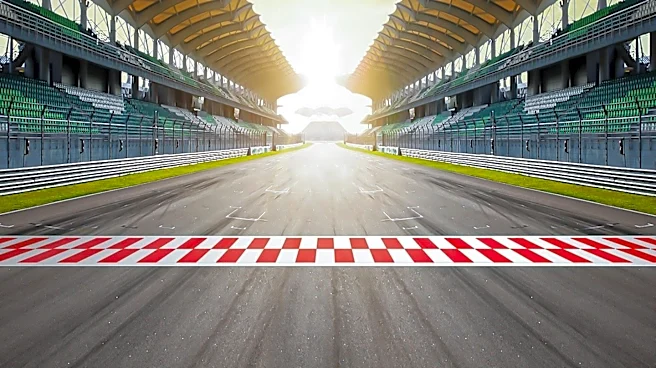
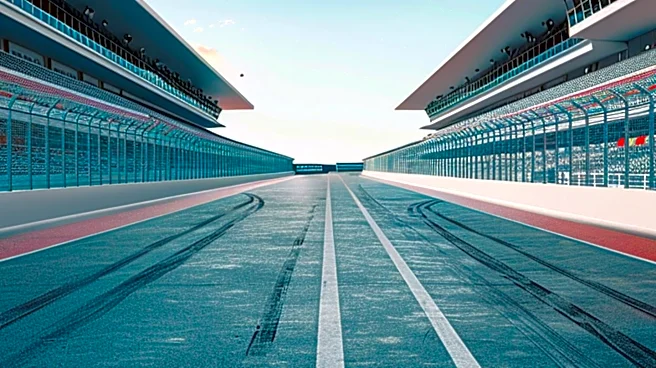
A dragstrip is typically a straight racetrack, purpose-built for drag racing events. The most well-known track length is a quarter mile, which measures 1,320 feet or 402 meters. However, many tracks are also designed as eighth-mile tracks, measuring 660 feet or 201 meters. For premiere racing classes, a 1,000-foot track is often used. Regardless of the length, each track includes a shutdown area beyond the finish line, providing vehicles with ample space to decelerate safely after a high-speed run.
The track's surface is crucial for ensuring optimal traction and safety. It is usually made of concrete or asphalt, materials chosen for their durability and ability to provide a consistent racing surface. The track's straight design minimizes the risk of accidents and allows for maximum acceleration, which is the essence of drag racing.
Essential Features: The Christmas Tree and Water Box
Two critical features of a dragstrip are the Christmas Tree and the water box. The Christmas Tree is a set of lights positioned at the starting line, which counts down to the start of the race. It consists of a series of lights that signal drivers when to start, ensuring a fair and synchronized launch for all competitors. The precise timing of the Christmas Tree is vital, as it affects the reaction time of the drivers, one of the key factors in determining the race's outcome.
The water box is another essential feature, located near the starting line. It is a designated area where vehicles perform burnouts before the race. Burnouts serve two purposes: they clean the tires of debris and heat them up, improving traction on the track. This process is crucial for achieving the best possible launch and maintaining control during the race.
Additional Facilities and Safety Measures
Beyond the track itself, dragstrips are equipped with various facilities to support the racing events. Return lanes are provided for vehicles to safely return to the pit area after completing a run. These lanes help maintain the flow of the event and ensure that the track is clear for the next race.
Safety is a top priority at dragstrips, with numerous measures in place to protect both drivers and spectators. Barriers and guardrails line the track to prevent vehicles from veering off course. Additionally, emergency response teams are always on standby, ready to assist in the event of an accident. These safety protocols are essential for maintaining the integrity of the sport and ensuring that all participants can enjoy the thrill of drag racing in a secure environment.