



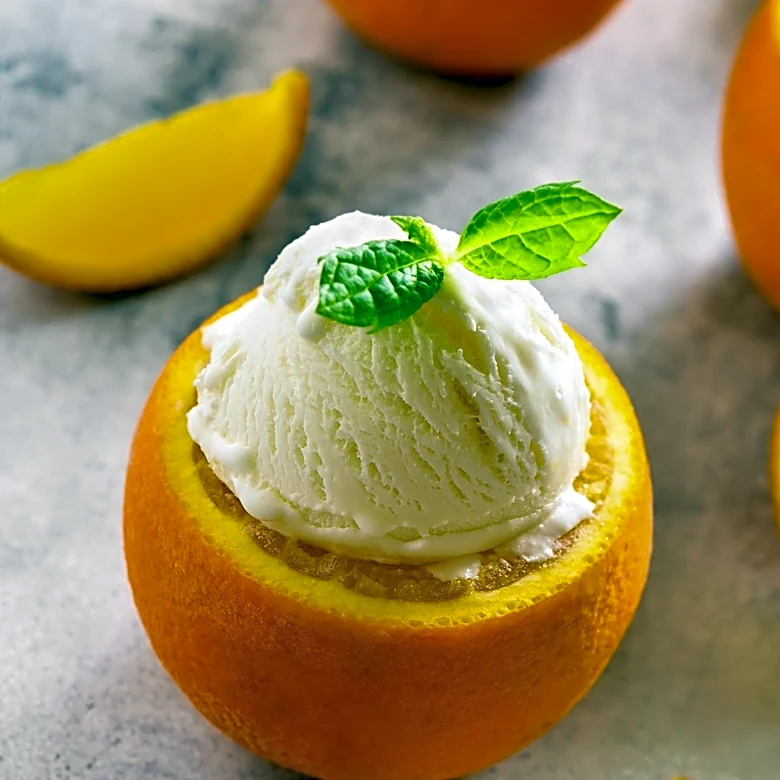






Ice cream, a universally loved frozen dessert, takes on diverse forms and flavors across the globe, reflecting local tastes and culinary traditions. From the artisanal gelaterias of Italy to the unique street treats of India and Puerto Rico, each region has adapted this sweet creation to suit its cultural palate. This global perspective reveals not only the different ingredients and preparation methods but also fascinating insights into consumption
habits, highlighting how ice cream has become a truly international phenomenon.
European Delights: Gelato and Spanish Innovations
In Italy, gelato stands as a traditional and highly popular dessert. Much of its production remains hand-made, with individual shops, known as *gelaterie a produzione propria*, flavoring their own batches. Gelato is typically crafted from whole milk, sugar, and natural flavorings, sometimes including eggs. A key characteristic of gelato is its fat content, which usually ranges from 4–9%, notably less than the minimum 10% required for ice cream in some other regions. This lower fat content often contributes to its denser, more intense flavor profile.Spain also boasts its own distinct ice cream culture, often influenced by the Italian gelato style. Spanish *helado* can be found in numerous cafés and specialized ice cream stores. While many traditional flavors are available, cafés might also offer unique local flavors such as *nata*, *viola*, *crema catalana*, or *tiramisu*. The Spanish industry gained recognition in the 1980s for its creativity, producing many innovative and sometimes unusual ice cream bars, showcasing a willingness to experiment with this classic dessert.
Asian and Latin American Frozen Treats
Beyond Europe, other cultures have developed their own unique frozen delights. In India, a popular summer treat is *Ice Golas*. These consist of shaved ice packed into a popsicle shape on a stick and then soaked in flavored sugar syrup. A particularly popular choice is *kala khatta*, which is made from the sweet and sour jamun fruit, offering a distinctive taste experience. These refreshing treats are a common sight during warmer months, providing a cool respite from the heat.Similarly, in Puerto Rico, the *Piragua* is a beloved dessert. This treat features shaved ice placed into a cone-shaped cup, over which various syrup flavors are poured. Vendors are a common sight on sidewalks and near beaches, pushing small carts that contain a large block of ice and an array of 10 to 15 bottles filled with fruit syrups. Popular flavors include Tamarindo and Parcha, offering a burst of tropical taste. These street vendors play a significant role in making *Piraguas* an accessible and cherished part of Puerto Rican culture.
Global Consumption and American Preferences
When it comes to ice cream consumption, some nations stand out. Australians and New Zealanders are among the world's leading consumers, with Australians eating 18 liters (4.0 imperial gallons; 4.8 US gallons) and New Zealanders consuming 20 liters (4.4 imperial gallons; 5.3 US gallons) per person annually. However, the United States surpasses both, with Americans consuming an impressive 23 liters (5.1 imperial gallons; 6.1 US gallons) per person each year, making them the highest per capita consumers globally.In the United States, specific styles and labeling standards define ice cream. Ice cream made solely with cream, sugar, and a flavoring (often fruit) is sometimes referred to as "Philadelphia style." In contrast, ice cream that incorporates eggs to create a custard base is occasionally called "French ice cream." Federal labeling standards in the U.S. mandate that ice cream must contain a minimum of 10% milk fat. Regarding flavor preferences, vanilla and chocolate remain the most popular choices in the U.S., collectively holding a 40% market share as of 2008, according to the NPD Group. Meanwhile, in the United Kingdom, the ice cream market is substantial, valued at £1.8 billion in 2024, with 14 million adults purchasing ice cream as a treat.