







The musical "Victor/Victoria" is a product of collaboration among several talented individuals who brought their unique skills to the project. From its inception as a film to its adaptation for the stage, the musical benefited from the creative input of directors, composers, and performers. Understanding the contributions of these key figures provides insight into the making of this beloved musical.
Blake Edwards and the Original Film
Blake Edwards was the driving force behind the original
1982 film "Victor/Victoria." As the director and screenwriter, Edwards crafted a story that combined humor, romance, and social commentary. His vision for the film was inspired by the 1933 German film "Viktor und Viktoria," and he successfully adapted it for a modern audience.
Edwards' involvement in the stage adaptation was crucial. He wrote the book for the musical, ensuring that the transition from screen to stage retained the original's wit and charm. His understanding of the story's nuances allowed him to guide the adaptation process, making necessary adjustments to suit the live theater format.
Musical Contributions of Henry Mancini and Frank Wildhorn
The music of "Victor/Victoria" is a significant aspect of its appeal. Henry Mancini, who composed the score for the original film, was tasked with creating the music for the stage adaptation. Mancini's compositions captured the essence of 1930s Paris, providing a rich musical backdrop for the story.
Unfortunately, Mancini passed away before completing the score for the musical. Frank Wildhorn was brought in to finish the music, adding his own compositions while respecting Mancini's original work. Wildhorn's contributions were essential in ensuring the musical's score was cohesive and engaging, blending seamlessly with the story and lyrics by Leslie Bricusse.
Julie Andrews and the Role of Victoria Grant
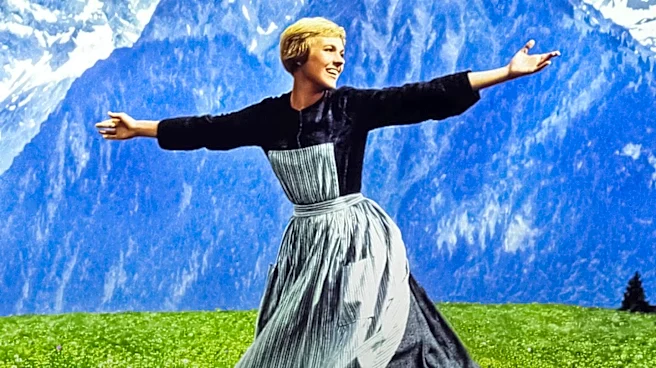
Julie Andrews' portrayal of Victoria Grant is one of the most memorable aspects of both the film and the musical. Her performance brought depth and authenticity to the character, making her a central figure in the story's success. Andrews' involvement in the stage adaptation was a significant draw for audiences, eager to see her reprise the role.
Despite the challenges faced during the production, Andrews' dedication to the role was unwavering. Her decision to decline the Tony Award nomination for her performance highlighted her commitment to the entire production, emphasizing the collaborative nature of theater. Andrews' portrayal of Victoria Grant remains a defining element of "Victor/Victoria," showcasing her talent and versatility as a performer.
The creative forces behind "Victor/Victoria" were instrumental in bringing the musical to life. Their combined efforts resulted in a production that continues to captivate audiences, demonstrating the power of collaboration in the arts.