







Gluconolactone, also known as glucono-δ-lactone (GDL), is an organic compound that plays a significant role in the food industry. Identified by the E-number E575, this substance is a colorless solid and an oxidized derivative of glucose. While it is pH-neutral in its pure form, its interaction with water leads to the formation of gluconic acid, which is acidic. This characteristic, along with its other properties, makes GDL a highly versatile additive
used in a wide array of food applications, from enhancing flavor to aiding in preservation and leavening.
Chemical Nature and Production
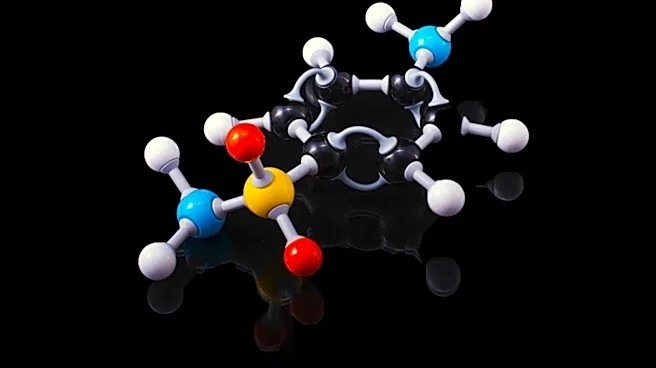
GDL is an organic compound with the formula −CH(CH2OH)(CHOH)3C(O)O−. It is a lactone of D-gluconic acid. The production of GDL typically involves the aerobic oxidation of glucose, a process that occurs in the presence of the enzyme glucose oxidase. This conversion not only yields GDL but also cogenerates hydrogen peroxide, which is often a key byproduct of the enzyme's activity. In its pure state, GDL presents as a white, odorless crystalline powder, making it easy to handle and incorporate into various food formulations.
Upon its addition to water, GDL undergoes partial hydrolysis, transforming into gluconic acid. This process establishes a chemical equilibrium between the lactone form and the acid form. The rate at which this hydrolysis occurs is influenced by external factors, specifically increasing with heat and higher pH levels. This controlled release of acidity is a crucial aspect of its functionality in food products, allowing for a gradual and sustained effect.
Diverse Applications in Food
As a food additive, GDL serves multiple purposes. It functions as a sequestrant, which means it can bind to metal ions, preventing them from reacting with other food components and thus improving stability and shelf life. It is also widely used as an acidifier, contributing a tangy taste to foods. Although it provides acidity, its sourness is roughly one-third that of citric acid, offering a milder flavor profile. This makes it suitable for applications where a less intense sour note is desired.
Beyond its role as a sequestrant and acidifier, GDL is employed as a curing, pickling, or leavening agent. For instance, it has been marketed for use in products like feta cheese, where its properties can contribute to the desired texture and flavor development. Its ability to slowly release acid makes it an effective leavening agent, providing a controlled rise in baked goods. Furthermore, GDL is metabolized in the body to 6-phospho-D-gluconate, yielding approximately the same amount of metabolic energy as one gram of sugar, indicating its nutritional equivalence to a common carbohydrate.
Metabolic and Fermentation Aspects
The metabolic pathway of GDL involves its conversion to 6-phospho-D-gluconate. This demonstrates its integration into biological systems and its energy-yielding capacity. Interestingly, GDL can also be fermented by certain microorganisms. For example, the yeast Maudiozyma bulderi is capable of fermenting gluconolactone to produce ethanol and carbon dioxide. The pH value of the environment significantly impacts the growth of such cultures; a solution containing 1% or 2% gluconolactone in a mineral media can cause the pH to drop below 3, highlighting its acidic potential in biological contexts. Additionally, GDL acts as a complete inhibitor of the enzyme amygdalin beta-glucosidase at concentrations of 1 mM, showcasing its specific biochemical interactions.