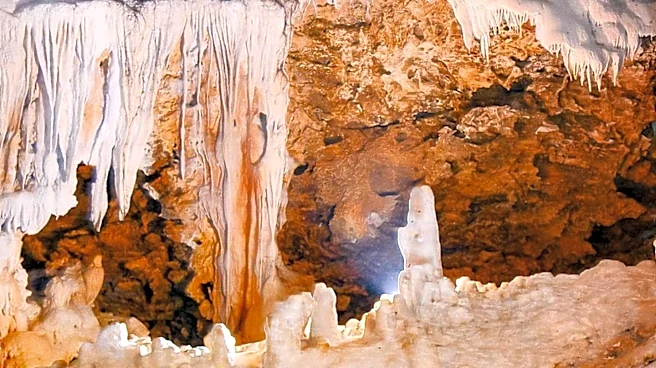









Carlsbad Caverns National Park, located in New Mexico, is a site of extraordinary natural beauty and scientific interest. The park was officially established on May 14, 1930, but its journey to becoming a national park is a story of legislative action and recognition of its unique geological features. This article delves into the legislative history that led to the creation of Carlsbad Caverns National Park, highlighting the key milestones and decisions
that shaped its establishment.
Early Recognition and Proclamation
The journey to national park status began with the recognition of the Carlsbad Cavern system's unique geological features. The cavern, known for its extraordinary proportions and natural decorations, was first brought to public attention through Proclamation 1679 on October 25, 1923. This proclamation highlighted the cavern's spacious chambers, stalactites, stalagmites, and other formations, emphasizing its scientific and popular interest. The proclamation served as an initial step in acknowledging the cavern's significance and laid the groundwork for future legislative actions.
The early recognition of Carlsbad Caverns' unique features was crucial in garnering support for its preservation. The cavern's natural beauty and scientific value were seen as equal, if not superior, to other well-known caves, making a strong case for its protection. This early acknowledgment set the stage for the legislative efforts that would eventually lead to the establishment of the national park.
Legislative Efforts and Establishment
The legislative journey to establish Carlsbad Caverns as a national park involved several key steps. The process required the collaboration of various stakeholders, including government officials, scientists, and conservationists, who recognized the importance of preserving the cavern system. The efforts culminated in the official establishment of Carlsbad Caverns National Park on May 14, 1930, marking a significant milestone in the park's history.
The establishment of the park was a testament to the successful collaboration between different parties who shared a common goal of preserving the natural wonder. The legislative efforts not only ensured the protection of the cavern system but also paved the way for future exploration and scientific research. The park's establishment was a crucial step in safeguarding its unique geological features for future generations.
UNESCO World Heritage Site Designation
In addition to its national park status, Carlsbad Caverns received further recognition when it was designated a UNESCO World Heritage Site in 1995. This designation highlighted the park's global significance and underscored its importance as a site of outstanding universal value. The UNESCO designation served as an acknowledgment of the park's unique geological features and its contribution to the world's natural heritage.
The designation as a UNESCO World Heritage Site further solidified Carlsbad Caverns' status as a site of international importance. It brought additional attention to the park and reinforced the need for its continued preservation and protection. The recognition by UNESCO was a testament to the park's exceptional natural beauty and scientific value, ensuring its place among the world's most treasured natural sites.