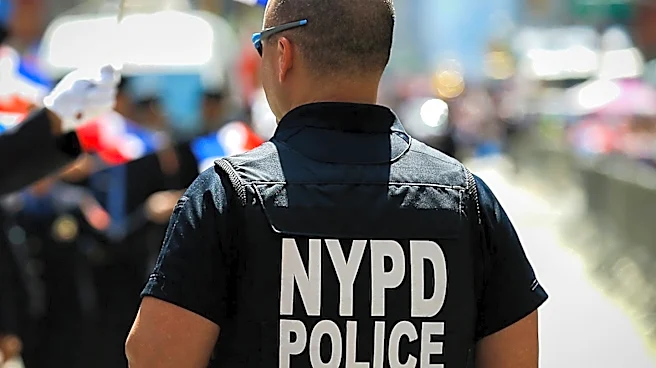









Local law enforcement agencies are the most visible and direct form of policing in the United States. They operate at the city, county, and regional levels, providing essential services to maintain public safety and order. This article explores the role and functions of local law enforcement agencies and their impact on communities.
City Police Departments
City police departments are responsible for enforcing laws and maintaining order within their municipalities. They handle
a wide range of duties, from traffic enforcement to investigating serious crimes such as homicide and robbery. These departments are often the first responders to emergencies and play a crucial role in community safety.
Police officers in city departments are tasked with patrolling neighborhoods, responding to calls for service, and engaging with community members to build trust and cooperation. They also work on crime prevention initiatives, such as community policing programs, which aim to reduce crime by fostering positive relationships between law enforcement and the public.
County Sheriff's Offices
County sheriff's offices are another vital component of local law enforcement. Sheriffs are typically elected officials who oversee law enforcement in areas not covered by city police departments. They have a broad range of responsibilities, including managing county jails, providing security for local courts, and serving legal documents.
Sheriff's deputies often work in rural areas where city police departments may not have jurisdiction. They provide essential services such as patrolling highways, investigating crimes, and assisting other law enforcement agencies when needed. The role of the sheriff's office is crucial in maintaining law and order in less densely populated areas.
Special Jurisdiction Agencies
In addition to city and county agencies, there are special jurisdiction agencies that focus on specific areas or types of crime. These include transit police, campus police, and park rangers, among others. Each of these agencies has a unique mandate and operates within a defined jurisdiction.
For example, transit police are responsible for ensuring the safety and security of public transportation systems, while campus police focus on maintaining order and safety on college and university campuses. These agencies work closely with other local law enforcement entities to address issues that may arise within their specific areas of responsibility.
Local law enforcement agencies are the backbone of community safety in the United States. They provide essential services that protect the public and maintain order, ensuring that communities remain safe and secure. Through their efforts, local law enforcement agencies play a critical role in the broader law enforcement framework, working to uphold the rule of law and serve the needs of their communities.