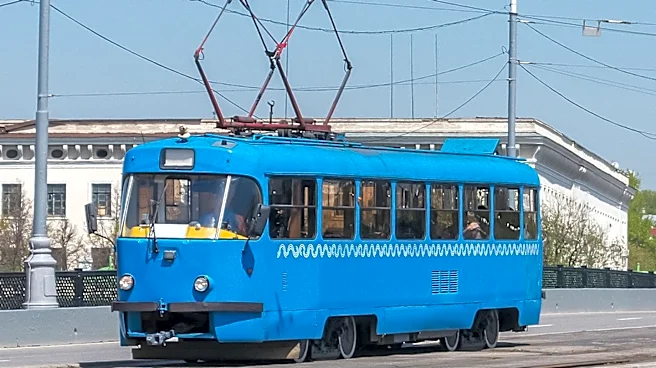





Cleveland's streetcar system was once a vital part of the city's transportation network, peaking in the early 20th century. The system's development was closely tied to the city's industrial growth and urban expansion. However, by the mid-20th century, the streetcar system had largely declined, replaced by other forms of transportation. This article explores the historical trajectory of Cleveland's streetcars, from their rise to their eventual fall.
Early Development and Peak
The streetcar system in Cleveland began to take shape in the late 19th century, as the city experienced rapid industrial growth. Streetcars provided an efficient means of transportation for workers commuting to factories and businesses. The G. C. Kuhlman Car Company, based in Cleveland, was a major manufacturer of streetcars during this period, contributing to the system's expansion.
By the early 20th century, Cleveland's streetcar system had reached its peak. The city was bustling with activity, and streetcars were a common sight on the streets, facilitating the movement of people across the city. The system was integral to the city's infrastructure, supporting its economic and social activities.
Decline and Transition
Despite its initial success, the streetcar system in Cleveland began to decline in the mid-20th century. Several factors contributed to this downturn, including the rise of automobile ownership and the development of bus systems, which offered more flexibility and lower operational costs compared to streetcars.
During World War II, the Cleveland Transit System was established, marking a shift in the city's transportation strategy. The introduction of PCC streetcars was an attempt to modernize the system, but it was not enough to reverse the trend. By the 1950s, many streetcar lines were being replaced by buses, signaling the end of an era for Cleveland's streetcars.
Legacy and Impact
The decline of Cleveland's streetcar system had a lasting impact on the city's urban landscape. The transition to buses and automobiles changed the dynamics of city planning and development, leading to increased suburbanization and changes in commuting patterns.
While streetcars are no longer a part of Cleveland's transportation system, their legacy remains. The infrastructure and routes established during the streetcar era laid the groundwork for future transit developments. Today, the Greater Cleveland Regional Transit Authority continues to serve the city, albeit with different modes of transportation.
Cleveland's streetcar system is a testament to the city's adaptability and resilience in the face of changing transportation needs. Its history offers valuable insights into the evolution of urban transit and the factors that drive such transformations.