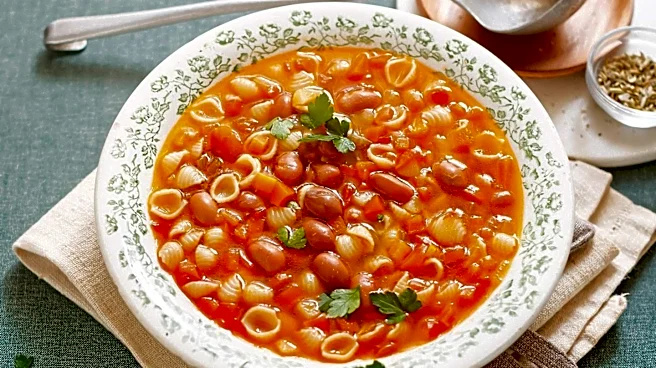











Minestrone soup is a beloved Italian dish known for its hearty and comforting qualities. This vegetable soup, traditionally made with tomatoes, beans, and a variety of vegetables, has a rich history that reflects its cultural significance in Italy and beyond. As a staple of Italian cuisine, minestrone has evolved over time, adapting to regional ingredients and preferences while maintaining its core identity as a nourishing and versatile meal.
Origins and Evolution
Minestrone
soup has its roots in Italy, where it is considered a traditional comfort food. The soup's origins can be traced back to the peasant communities of Italy, where it was a practical way to use up leftover vegetables and other ingredients. This adaptability made minestrone a popular choice among families looking to create a filling meal with whatever was available.
Over the years, minestrone has evolved to incorporate a wide range of ingredients, reflecting the diverse agricultural landscape of Italy. While the basic components of tomatoes, beans, and vegetables remain constant, the specific ingredients can vary depending on the season and region. This flexibility has allowed minestrone to remain a relevant and cherished dish throughout Italy's culinary history.
Cultural Significance
Minestrone soup holds a special place in Italian culture, symbolizing the resourcefulness and creativity of Italian home cooks. Its ability to adapt to available ingredients makes it a reflection of the Italian approach to cooking, which emphasizes fresh, seasonal produce and simple preparation methods.
In addition to its practical origins, minestrone has become a symbol of Italian hospitality and warmth. It is often served as a first course in Italian meals, setting the stage for a communal dining experience. The soup's hearty nature and rich flavors make it a comforting dish that brings people together, whether enjoyed at a family dinner or a festive gathering.
Modern Adaptations
Today, minestrone soup continues to be a popular dish both in Italy and around the world. Its versatility allows it to be customized with a variety of ingredients, making it suitable for different dietary preferences and tastes. Modern adaptations of minestrone often include pasta or rice, adding an extra layer of texture and heartiness to the soup.
Despite these variations, the essence of minestrone remains unchanged. It is a dish that celebrates the bounty of the earth and the ingenuity of those who prepare it. Whether enjoyed in a traditional Italian setting or as part of a contemporary meal, minestrone soup remains a testament to the enduring appeal of simple, wholesome cooking.