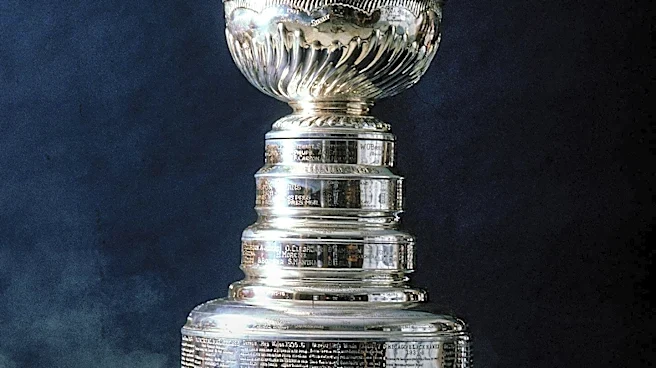









The 1995 Stanley Cup Final marked a significant moment in the history of the National Hockey League (NHL). It was a series that saw the New Jersey Devils, a team making their first appearance in the Final, sweep the heavily-favored Detroit Red Wings. This victory was not only a milestone for the Devils but also a notable event in the broader context of NHL history. The series was a testament to the unpredictability of sports and the potential for underdogs
to triumph against the odds.
The Road to the Final
The New Jersey Devils entered the 1995 playoffs as the fifth seed in the Eastern Conference. Their journey to the Final was marked by a series of impressive victories. In the first round, they defeated the Boston Bruins in five games. This was followed by another five-game victory over the Pittsburgh Penguins in the second round. The Eastern Conference Final saw the Devils face off against the top-seeded Philadelphia Flyers, a series they won in six games. This path to the Final was a demonstration of the Devils' resilience and skill, setting the stage for their historic performance against the Red Wings.
On the other hand, the Detroit Red Wings were the Presidents' Trophy winners, making them the overall number one seed in the playoffs. They had a strong playoff run, defeating the Dallas Stars in five games in the first round and sweeping the San Jose Sharks in the second round. The Western Conference Final saw them overcome the Chicago Blackhawks in five games. Despite their dominant performance throughout the playoffs, the Red Wings were unable to secure a victory against the Devils in the Final.
The Final Series
The 1995 Stanley Cup Final began on June 17 at the Joe Louis Arena in Detroit. The Devils quickly established themselves as formidable opponents, winning the first game 2-1. Game two saw the Devils secure a 4-2 victory, further solidifying their lead in the series. As the series moved to the Brendan Byrne Arena in New Jersey, the Devils continued their winning streak, defeating the Red Wings 5-2 in both games three and four. This sweep was a remarkable achievement for the Devils, who had entered the series as underdogs.
The Devils' victory in the Final was characterized by strong defensive play and effective goaltending. Martin Brodeur, the Devils' goaltender, allowed only seven goals against the Red Wings throughout the series. Claude Lemieux, a forward for the Devils, was awarded the Conn Smythe Trophy as the playoff MVP, having led all skaters in playoff goals with 13.
Legacy of the 1995 Final
The 1995 Stanley Cup Final was significant for several reasons. It was the first time in NHL history that a team won the Stanley Cup without having home ice advantage in any of the four playoff rounds since the playoffs expanded to a 16-team format in 1980. The Devils' victory also marked the beginning of a period of success for the franchise, as they went on to win two more Stanley Cups in the following years.
This Final was also notable for being the first of nine consecutive series to feature only American-based franchises. Additionally, it was the first time in both NHL and NBA history that the finals involved the first-seeded team being swept. The Devils' triumph in 1995 remains a memorable moment in the annals of NHL history, illustrating the potential for unexpected outcomes in sports.