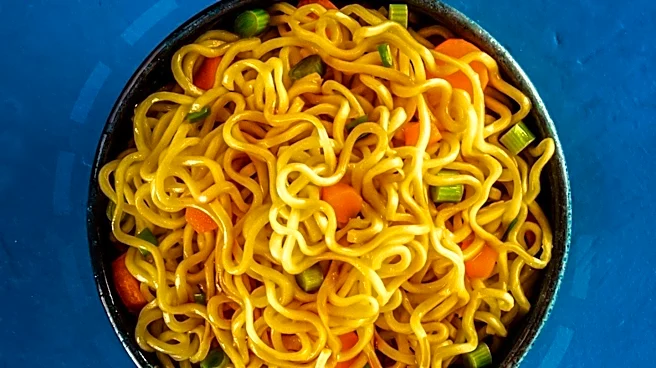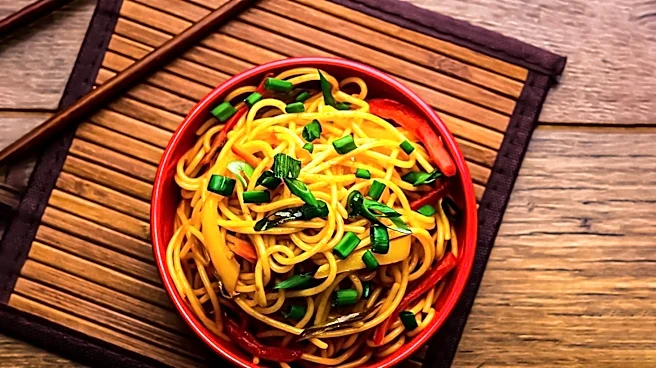







Lo mein is a popular noodle dish that often gets confused with its close relative, chow mein. While both dishes share some similarities, they have distinct characteristics that set them apart. This article explores the unique features of lo mein, highlighting what makes it a favorite among noodle enthusiasts.
The Noodle Base
The foundation of lo mein lies in its noodles. In traditional Chinese cuisine, lo mein is made with thin flour-and-egg noodles known for their
elastic texture. These noodles are a key component of the dish, providing a chewy and satisfying base that absorbs the flavors of the accompanying ingredients.
Unlike chow mein, which often features crispy noodles, lo mein noodles are soft and pliable. This difference in texture is one of the primary distinctions between the two dishes. The term "lo mein" itself means "stirred noodles," indicating the method of preparation where the noodles are tossed with sauce and other ingredients rather than being fried.
Sauce and Ingredients
Another defining feature of lo mein is its sauce. In American Chinese cuisine, lo mein is typically stir-fried with a sauce made from soy sauce and other seasonings. This sauce is more robust and flavorful compared to the lighter sauce used in traditional Cantonese lo mein.
The dish often includes a variety of vegetables such as bok choy and cabbage, along with proteins like roast pork, beef, or chicken. Seafood options like shrimp and lobster are also popular. The combination of these ingredients with the savory sauce creates a rich and satisfying dish that appeals to a wide range of tastes.
Cultural Variations
Lo mein's versatility allows it to adapt to different culinary traditions. In the United States, it has become a staple in American Chinese cuisine, often served as a take-out option. The American version of lo mein is distinct from both the traditional Cantonese lo mein and the crispy chow mein, reflecting the influence of local tastes and preferences.
In other regions, lo mein takes on different forms. For example, in Indonesia, a similar dish called lomi features soft noodles served with a thick gravy and seafood. These variations highlight the adaptability of lo mein and its ability to transcend cultural boundaries.
Lo mein's unique features make it a beloved dish in many parts of the world. Its soft noodles, flavorful sauce, and diverse ingredients create a harmonious blend that continues to captivate diners. Whether enjoyed in its traditional form or as an American adaptation, lo mein remains a testament to the enduring appeal of noodle dishes.