




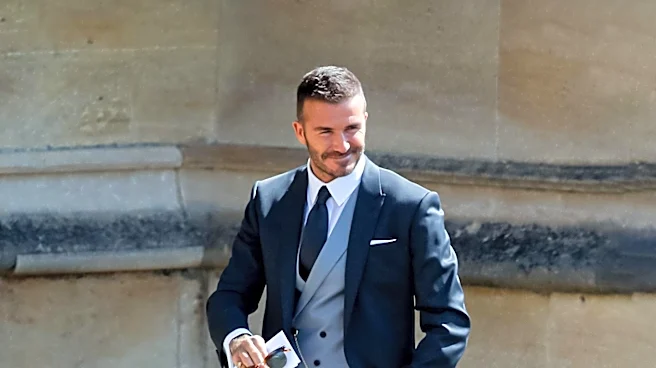

Smart casual is a Western dress code that skillfully combines elements of casual attire with more polished, well-dressed components. This style serves as a middle ground, existing somewhere between strictly formal and entirely casual wear. It's a versatile approach to dressing, often required for specific occasions where a neat yet comfortable appearance is desired. The term itself, "smart casual," originated in the United States during the 1920s,
indicating its long-standing role in fashion vocabulary.
Defining Smart Casual
At its core, smart casual implies a certain level of presentability without the rigidity of traditional formal wear. For men, this typically involves a dress shirt, trousers, and dress shoes. The emphasis is on looking put-together and respectable, but with a relaxed undertone. This means avoiding overly formal items like a full suit and tie, while also steering clear of overly casual clothing such as t-shirts or athletic wear.
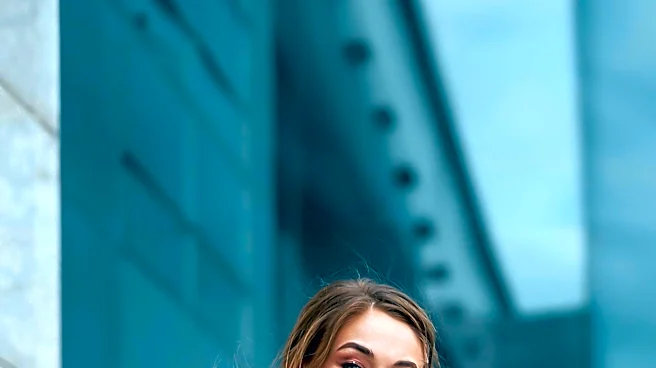
For women, smart casual often translates to a smart top paired with a skirt or a dress. The key is to select pieces that are chic and appropriate for a semi-formal setting, rather than outfits that would be worn for a very casual day out or a highly formal event. The choice of fabrics, colors, and accessories plays a significant role in achieving the desired smart casual aesthetic.
The Spectrum of Smart Casual Styles
While the general definition provides a framework, smart casual can be further categorized into different styles, each offering a unique interpretation of the dress code. These categories include traditional, fashionable, sporty, and relaxed, allowing for flexibility based on personal preference and the specific context of an event. Understanding these nuances can help individuals navigate the smart casual landscape more effectively.
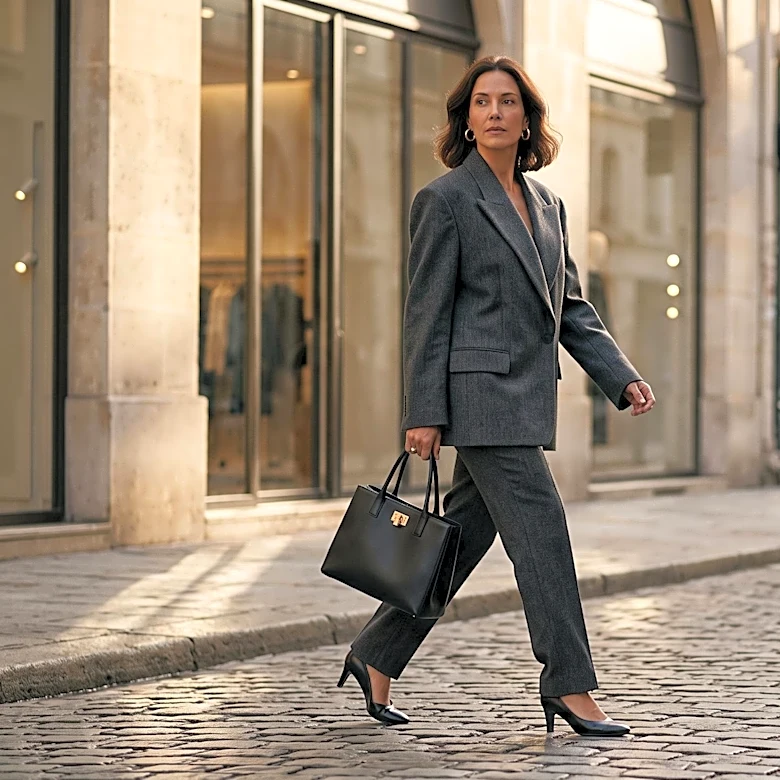
The traditional smart casual style for men, for instance, might involve wearing a suit jacket and trousers that don't necessarily form a complete suit, perhaps with a button-down collar shirt. Materials like wool blends, silk, linen, or nylon are common, and colors often lean towards dark gray or navy blue. Loafers are a popular choice for footwear in this category. This approach maintains a professional look without the full formality of business attire.
Modern Interpretations and Adaptations
The fashionable smart casual style embraces contemporary trends while maintaining an elegant and timeless appeal. This means incorporating modern pieces without blindly following fleeting fads. For example, a suit jacket might be paired with different styles of trousers, and a round-neck or V-neck shirt could be worn underneath. During colder months, a turtleneck shirt is a suitable option. Fashionable ties can also be styled creatively within this framework, adding a touch of personal flair.
On the more relaxed end of the spectrum, the sporty smart casual style allows for more athletic-inspired elements. This could involve a sportier suit jacket or a jacket paired with a Polo T-shirt and khaki trousers. The most casual interpretation, the relaxed smart casual style, is the simplest, often featuring a round-neck or collared T-shirt combined with long trousers. These variations highlight the adaptability of smart casual, making it suitable for a wide range of occasions and personal tastes, from business casual environments to more informal social gatherings.