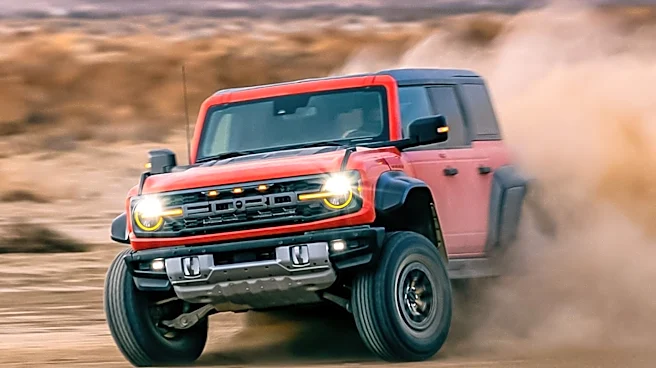





Trophy trucks are the pinnacle of off-road racing vehicles, designed to conquer the harshest desert terrains at high speeds. These engineering marvels are not street legal and are specifically built for desert racing events like the SCORE International and Best in the Desert races. This article explores the key engineering and design features that make trophy trucks ideal for desert racing.
Chassis and Body Design
The chassis of a trophy truck is a critical component that
provides the necessary strength and durability for off-road racing. Most trophy trucks feature a 4130 chromoly steel tube-frame chassis, which is both lightweight and robust. This construction allows the vehicle to absorb the impacts of rough terrain while maintaining structural integrity.
The body of a trophy truck is aerodynamically engineered using composite materials, enhancing its performance and efficiency. The design is similar to modern pickup trucks, but with significant modifications to optimize for racing conditions. The exterior is often made from fiberglass or other composite materials, providing a balance between weight reduction and durability.
Suspension Systems
Suspension systems are a defining feature of trophy trucks, enabling them to navigate uneven and challenging landscapes. Trophy trucks typically have around 24 inches of wheel travel in the front and 36 inches in the rear, allowing for superior handling and stability. The use of independent A-arm front suspension designs and solid rear axles with three or four-link setups is common, providing the flexibility needed for desert racing.
Shock absorbers play a crucial role in the suspension system, with most trophy trucks equipped with one or two shocks per wheel. These usually consist of a coil-over and a bypass shock, which work together to dampen vibrations and improve ride quality. Brands like Fox Racing Shox, Bilstein, and King Shocks are popular choices among competitors.
Powertrain and Performance
The powertrain of a trophy truck is designed to deliver exceptional performance in demanding conditions. Most trophy trucks are powered by large displacement V8 engines, producing over 1100 horsepower. These engines are naturally aspirated, with Ford and Chevrolet V8s being common choices. Turbocharged diesel motors are also permitted, offering an alternative power source.
Transmission options include three-speed automatic and six-speed sequential gearboxes. The three-speed TH400 gearbox is favored for its long gear ratios and ability to handle torque spikes, while the six-speed sequential gearbox offers quick gear changes, appealing to racers seeking versatility.
Trophy trucks are a testament to the ingenuity and innovation in off-road racing engineering. Their advanced design features and powerful performance capabilities make them the ultimate vehicles for desert racing, showcasing the best of what modern engineering can achieve.