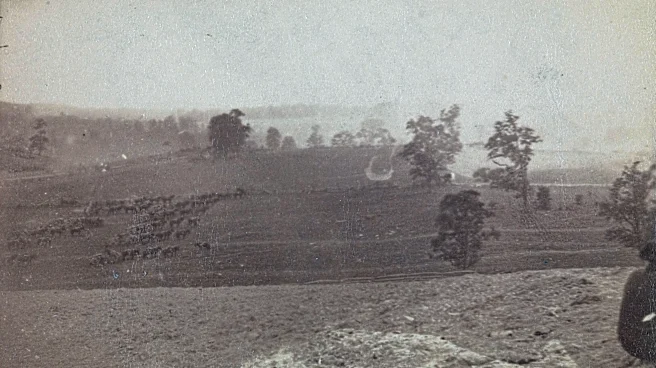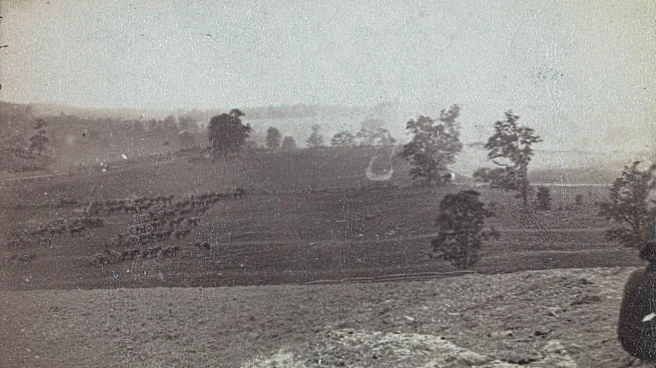




The Battle of Gettysburg, fought from July 1 to July 3, 1863, in Pennsylvania, stands as a crucial turning point in the American Civil War. This battle not only marked a significant Union victory but also shifted the momentum of the war in favor of the Union forces. With over 50,000 casualties, it remains the deadliest battle in American history. The aftermath of Gettysburg set the stage for the eventual Union victory and the preservation of the nation.
The Battle Unfolds
The Battle of Gettysburg began on July 1, 1863, when the Confederate Army of Northern Virginia, led by General Robert E. Lee, clashed with the Union Army of the Potomac, commanded by General George G. Meade. The Confederate forces initially experienced success, pushing the Union troops out of Gettysburg to Cemetery Ridge. However, the Union forces held strong defensive positions, which proved crucial in the days to come.
On the second day, July 2, the battle intensified as both sides fought fiercely for control of key positions, including Little Round Top. The Union forces, under the leadership of Colonel Joshua Chamberlain, successfully defended their positions against repeated Confederate assaults. This defense was pivotal in maintaining the Union's strategic advantage.
The Climax and Aftermath
The third day of the battle, July 3, witnessed the infamous Pickett's Charge, where Confederate forces launched a massive assault on the center of the Union line at Cemetery Ridge. Despite their bravery, the Confederate troops faced devastating losses and were forced to retreat. This failed assault marked the end of the Confederate offensive at Gettysburg.
Following the battle, the Confederate Army executed an orderly withdrawal, escaping across the Potomac River. However, the Union victory at Gettysburg had already shifted the tide of the war. The battle's outcome bolstered Union morale and weakened the Confederate forces, setting the stage for future Union successes.
The Legacy of Gettysburg
The Battle of Gettysburg's significance extends beyond its immediate military impact. It marked a turning point in the Civil War, leading to the eventual Union victory and the preservation of the United States. The battle also had a profound effect on the residents of Gettysburg, who were left to care for the wounded and bury the dead.
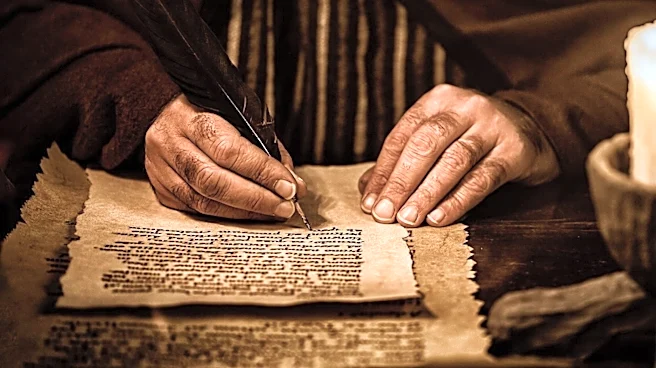
In November 1863, President Abraham Lincoln delivered the Gettysburg Address at the dedication of the Gettysburg National Cemetery. This speech, though brief, eloquently captured the essence of the Union's cause and the sacrifices made during the battle. The Gettysburg Address remains one of the most famous speeches in American history, symbolizing the enduring legacy of the battle and the broader struggle for national unity.