





While the United Farm Workers (UFW) is often associated with California, its struggle for farmworker rights extended significantly into Texas, facing unique challenges and achieving notable victories. The Texas campaign highlighted severe working conditions and the fierce resistance from authorities and growers. This regional focus reveals a critical chapter in the UFW's broader fight for justice, demonstrating the union's adaptability and the widespread
need for reform across agricultural states.
Early Organizing and the 1966 Strike
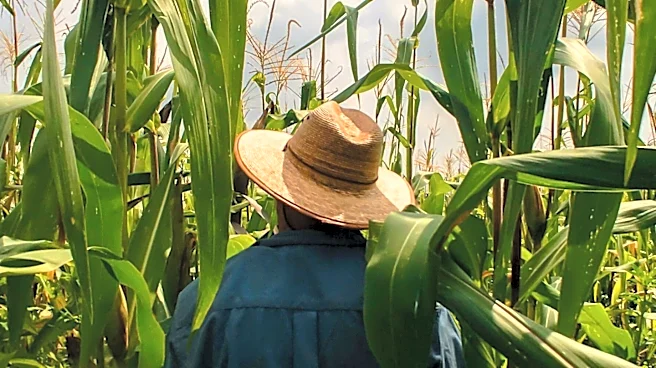
In May 1966, California farmworker activist Eugene Nelson traveled to Texas and began organizing local farmworkers into the Independent Workers' Association. The conditions he encountered were dire: some melon workers lacked access to freshwater and sanitary facilities in the fields, and crop dusters sprayed pesticides while workers were present. These hazardous conditions provided a strong basis for the UFW to argue that sustainable agricultural practices were not just regulatory concerns but fundamental civil rights for workers.
On June 1, Nelson led workers in a strike to protest these poor working conditions, demanding a minimum hourly wage of $1.25. Workers picketed, leading to arrests by Texas Rangers and local police. The strike faced immediate challenges as day laborers from Mexico were brought in to harvest the crop, causing the strike to fail by the end of June. Despite this setback, the movement gained momentum. On July 4, members of the United Farm Workers Organizing Committee (UFWOC), strikers, and clergy embarked on a march to Austin to press their demands for the $1.25 minimum wage and other improvements.
The March to Austin and Continued Resistance
Press coverage intensified as the marchers endured the summer heat on their way north. Politicians, members of the AFL-CIO, and the Texas Council of Churches joined the protestors, lending significant support. However, Governor John Connally, along with House Speaker Ben Barnes and Attorney General Waggoner Carr, intercepted the march in New Braunfels, informing the strikers that their efforts would be ineffective. Despite arriving in Austin for a Labor Day rally, no immediate changes in law resulted from their efforts.
Strikes and arrests continued in Rio Grande City throughout 1966 and into 1967. Violence escalated as the spring melon crop ripened and harvest time approached. In June, reports of Texas Rangers beating two UFWOC supporters inflamed tensions. By the end of June, as the harvest concluded, members of the Senate Subcommittee on Migratory Labor, including Senators Harrison Williams and Edward Kennedy, held hearings in Rio Grande City and Edinburg, Texas. Their findings were reported back to Washington, influencing pending legislation. Subsequently, the Rangers left the area, and picketing ended. However, Hurricane Beulah's devastation on September 20 ruined the Valley's farming industry for the following year.
Lasting Impact and the 1970s Campaign
One significant outcome of these strikes was a 1974 Supreme Court victory in *Medrano v. Allee*, which limited the jurisdiction of the Texas Rangers in labor disputes. This ruling was a crucial step in protecting farmworkers' rights to organize without undue interference. Farmworkers continued their organizing efforts through the 1970s on a smaller scale, under new leadership in San Juan, Texas, independent of César Chávez.
By mid-1971, the Texas campaign was well underway. Thomas John Wakely, a recently discharged Air Force veteran, joined the San Antonio office, organizing the Grape Boycott and attempting to unionize Hispanic farmworkers at the farmers' market. This period saw confrontations, including an incident in early 1972 where Wakely and other UFWOC staff were fired upon by security agents of corporate farm owners. The San Antonio UFWOC office was later taken over by the Brown Berets in mid-1973, leading to the eventual collapse of that specific organizing campaign. Despite these challenges, the Texas struggles were instrumental in shaping the legal landscape and raising awareness for farmworker rights.