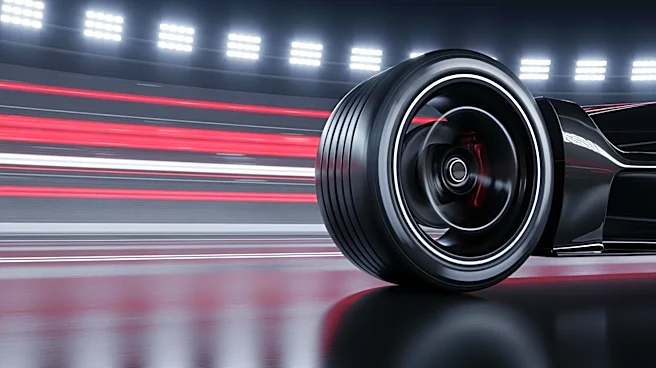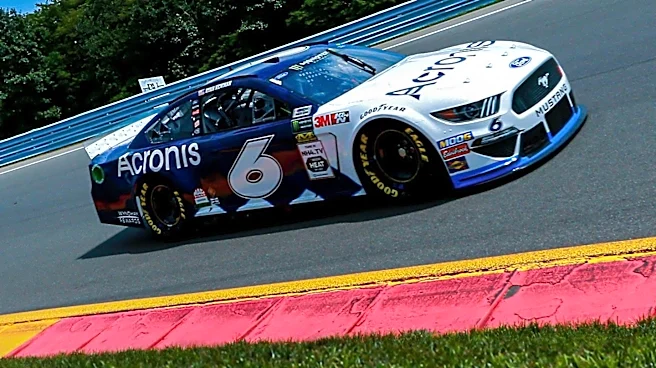






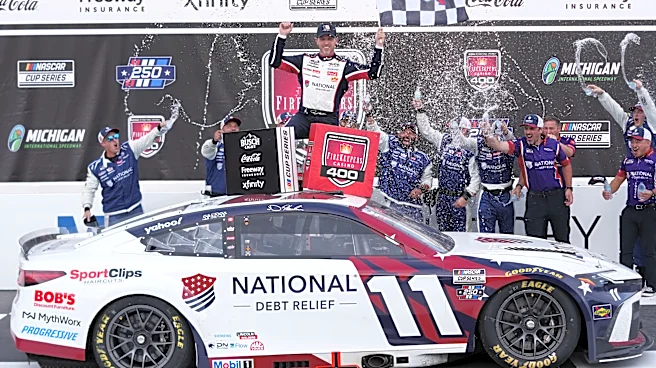



Stock car racing has come a long way from its early days of modified street vehicles. Today, NASCAR stock cars are highly specialized machines designed for speed, safety, and performance. This article explores the technical evolution of stock cars in NASCAR, highlighting key advancements in design, engineering, and safety features.
Early Modifications and the Birth of Stock Cars
In the early days of stock car racing, drivers used modified street vehicles to compete. These cars were often stripped
of unnecessary weight and reinforced for durability. The term "stock car" originally referred to a vehicle that had not been modified from its factory configuration. However, as the sport evolved, the definition expanded to include production-based automobiles used in racing.
The need for speed and performance led to significant modifications in stock car design. Drivers and teams experimented with engine enhancements, suspension upgrades, and aerodynamic improvements. These modifications were crucial for gaining a competitive edge on the track, and they laid the foundation for the specialized racing machines we see today.
The Rise of Purpose-Built Racing Machines
As NASCAR gained popularity, the demand for purpose-built racing machines grew. By the mid-1960s, stock cars had evolved into vehicles specifically designed for racing, with little resemblance to their street-legal counterparts. The introduction of the NASCAR Cup Series in 1949 marked a turning point, as manufacturers began producing limited-edition "special edition" cars to meet homologation requirements.
These purpose-built machines featured powerful engines, advanced suspension systems, and aerodynamic bodies. The 1960s and 1970s saw significant advancements in engine technology, with manufacturers like Ford and Chrysler developing high-performance engines to dominate the competition. The introduction of the Ford 427 Cammer and the Chrysler 426 Hemi are notable examples of this era's engineering prowess.
Modern Stock Cars: Safety and Innovation
Today's NASCAR stock cars are marvels of engineering, designed with a focus on safety and performance. The introduction of the Car of Tomorrow in 2007 brought significant safety improvements, including a higher roof, wider cockpit, and a driver seat positioned closer to the center of the vehicle. These changes were implemented to protect drivers in the event of a crash.
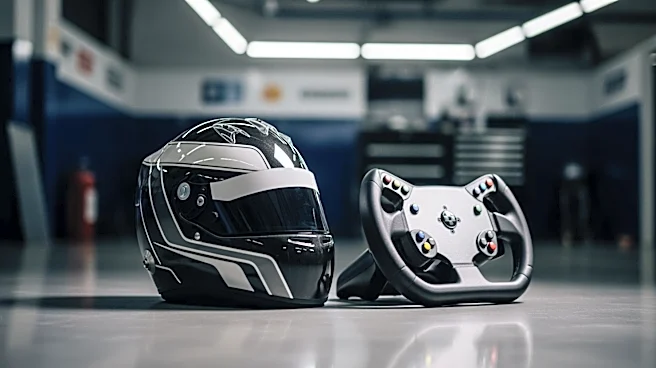
Modern stock cars also feature advanced materials and technologies, such as carbon fiber components and fuel injection systems. The use of the HANS device and SAFER barriers has further enhanced driver safety, reducing the risk of injury during high-speed collisions. NASCAR's commitment to safety and innovation has been instrumental in the sport's continued success and popularity.
Conclusion
The technical evolution of stock cars in NASCAR reflects the sport's dynamic nature and commitment to excellence. From modified street vehicles to purpose-built racing machines, stock cars have undergone significant transformations to meet the demands of competitive racing. As NASCAR continues to push the boundaries of technology and safety, the future of stock car racing promises to be as exciting and innovative as its past.