



Nikita Khrushchev's state visit to the United States in September 1959 was a meticulously planned journey designed to expose the Soviet leader to various facets of American life, from its political heart to its industrial and agricultural centers. His itinerary was extensive, taking him across the country and offering a diverse set of experiences. This tour was not merely a series of formal meetings but an opportunity for Khrushchev to observe American society
firsthand, often with his family in tow, a rare occurrence for a Soviet official at the time. The breadth of his travels aimed to provide a comprehensive, if somewhat controlled, view of the United States.
Grand Welcome in Washington D.C.
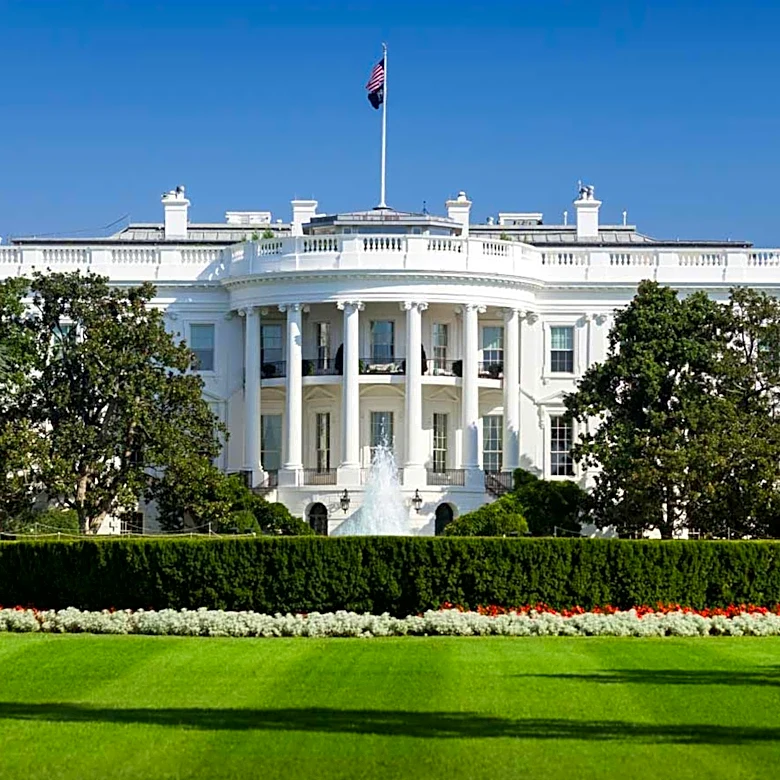
The visit commenced on September 15, 1959, with Khrushchev's arrival in Washington, D.C., landing at Andrews Air Force Base. The reception was grand, befitting a head of state. He and President Eisenhower were greeted with a 21-gun salute and a national salute performed by a Joint Service Honor Guard, representing the Army, Marine Corps, Navy, Air Force, and Coast Guard. The playing of the State Anthem of the Soviet Union and the Star-Spangled Banner further underscored the diplomatic significance of the occasion. For his first day, Khrushchev and his family, including his wife Nina and their adult children, stayed at Blair House, a traditional accommodation for presidential guests.
Across the Nation: From Maryland to California
Following his initial engagements in the capital, Khrushchev's tour quickly moved beyond Washington, D.C. The very next morning, he traveled to Beltsville, Maryland, indicating the start of a broader exploration. His itinerary was packed, including major stops in New York, California, Iowa, and Pennsylvania, as well as a visit to Camp David. Each location offered a different perspective on American life and industry.
In California, for instance, Khrushchev's visit included a brief stop at a supermarket in San Francisco. This seemingly mundane activity provided a direct look at American consumer culture and the availability of goods, a stark contrast to the Soviet system. Such diverse engagements, from formal diplomatic ceremonies to casual observations of daily life, were integral to the comprehensive nature of his American tour, allowing him to gather impressions from a wide range of experiences across the United States.