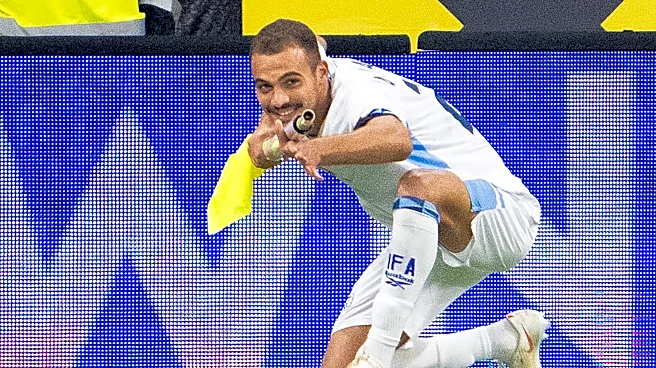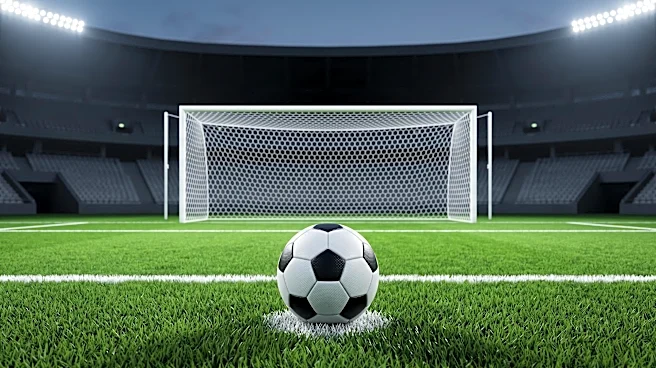

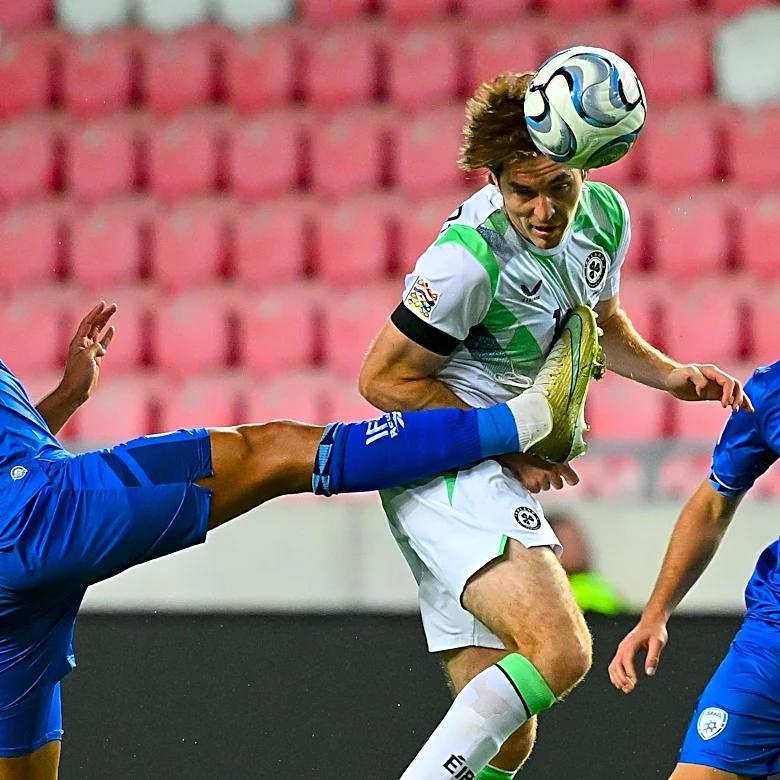




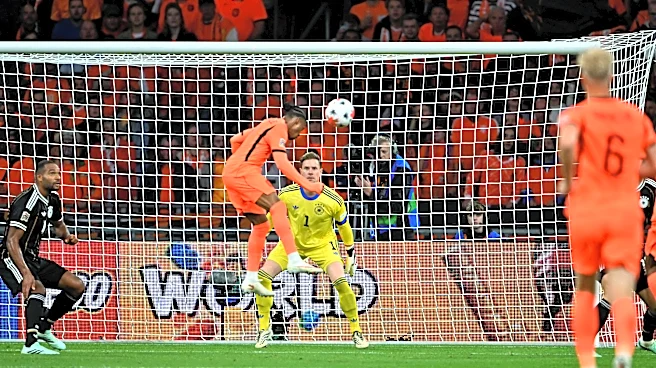
Kicking is a foundational skill in association football, a sport enjoyed by up to 265 million people globally each year. It is considered one of the most challenging skills to master, yet it is critically important for making passes and scoring goals. The effectiveness of a kick, encompassing both its power and accuracy, relies on a precise interplay of biomechanics, body positioning, and consistent practice. Understanding these elements is key to developing
a strong and accurate kick.
The development of kicking skill begins early, with the most rapid progression observed in young players between the ages of four and six, continuing to improve up to age ten. This early participation can significantly influence a player's future ability. Elite football players demonstrate greater accuracy and skill, largely due to reduced mechanical variability in their form, underscoring the importance of consistent practice to achieve proper execution.
Achieving Power and Accuracy in Kicking
Two primary aspects define an effective kick: power, which relates to the velocity of the ball, and accuracy, which dictates the ball's trajectory. Ball velocity is directly influenced by the foot's speed upon contact and the quality of that contact. To maximize speed transfer to the ball, players should strike the ball at its center point with the upper part of the foot, ensuring the ankle remains firm. Studies indicate that a diagonal approach, particularly one close to 45 degrees, is more effective than a straight approach for generating maximum power and ball velocity.
Skilled athletes tend to expend less energy during the approach phase (the steps taken before the kick) and more energy during the backswing and forward swing movements. This suggests that focusing on effective kicking mechanics rather than the approach itself is more beneficial for developing powerful and accurate kicks. Visual focus is also crucial; the athlete's gaze should remain fixed on the ball throughout the entire kicking action to enhance accuracy. If a player needs to look up to determine where to shoot, this should be done before initiating the shot.
The Biomechanics of the Kicking Action
An in-step football kick involves striking the ball with the dorsal, or top, part of the foot. This complex motion can be broken down into six distinct stages: the approach angle, the plant foot force, the swing limb loading, the swinging phase, ball contact, and the follow-through. The first stage, the approach angle, involves the kicker running up to the ball. The second stage, plant foot force, is about positioning the supporting foot laterally to the ball before the kick.
The third stage, swing limb loading, prepares the hip flexors and knee extensors for forward movement, eccentrically stretching them to load the swinging limb. This is also known as the backswing phase. The fourth stage, the swinging phase, sees the hip flexors and knee extensors forcefully contract, moving the swinging limb at high velocity towards the ball. The fifth stage is the moment the swinging foot makes complete contact with the ball. Finally, the follow-through phase involves the kicker keeping their foot in contact with the ball for as long as possible by continuing the swing until the ball separates.
Joint Motions and Muscle Involvement
Lower body joint motions are central to the kicking action, though upper body movements also play a role. In the swing limb loading stage, the kicking limb moves backward relative to the body, facilitated by hip extension. The hip also undergoes adduction and external rotation, accompanied by knee flexion, knee internal rotation, and slight plantar flexion at the ankle joint, all in preparation for impact with the ball. Upon ball contact, the hip moves into flexion, abduction, and external rotation, with the knee maintaining a slight, constant flexion.
The pelvis rotates around the supporting limb, raising the thigh of the kicking limb forward. Forward motion is initiated by this pelvic rotation and by bringing the kicking leg's thigh forward while the knee continues to flex. During the final stages of the kick, the kicking foot exhibits plantar flexion at the ankle joint upon contact. The supporting limb's knee remains in constant flexion throughout each stage, absorbing impact and stabilizing the body. Just before ball contact, the supporting knee extends to further stabilize the action. Additionally, a lateral flexion occurs between the supporting limb and the performer's trunk prior to contact with the ball.